

7 Warning Signs Your Asphalt Driveway Needs Immediate Repair or Complete Replacement
Asphalt driveways represent a substantial investment, and recognising the signs that require urgent repair or full replacement is essential to protect that investment. Wear and environmental exposure create problems that can undermine both appearance and structural performance. This article identifies the visible indicators that demand prompt attention, explains the long-term consequences of neglect, and outlines maintenance practices that help extend service life. Identifying these seven warning signs helps you preserve function and curb appeal over time.
What Are the Common Visible Damage Indicators on Asphalt Driveways?
Detecting visible damage early guides the decision between repair and replacement. Common indicators include surface cracking, potholes, and widespread surface deterioration. Each issue can advance quickly if left unaddressed and may lead to higher costs and larger repairs down the line.
How Do Cracks Signal the Need for Asphalt Driveway Repair?
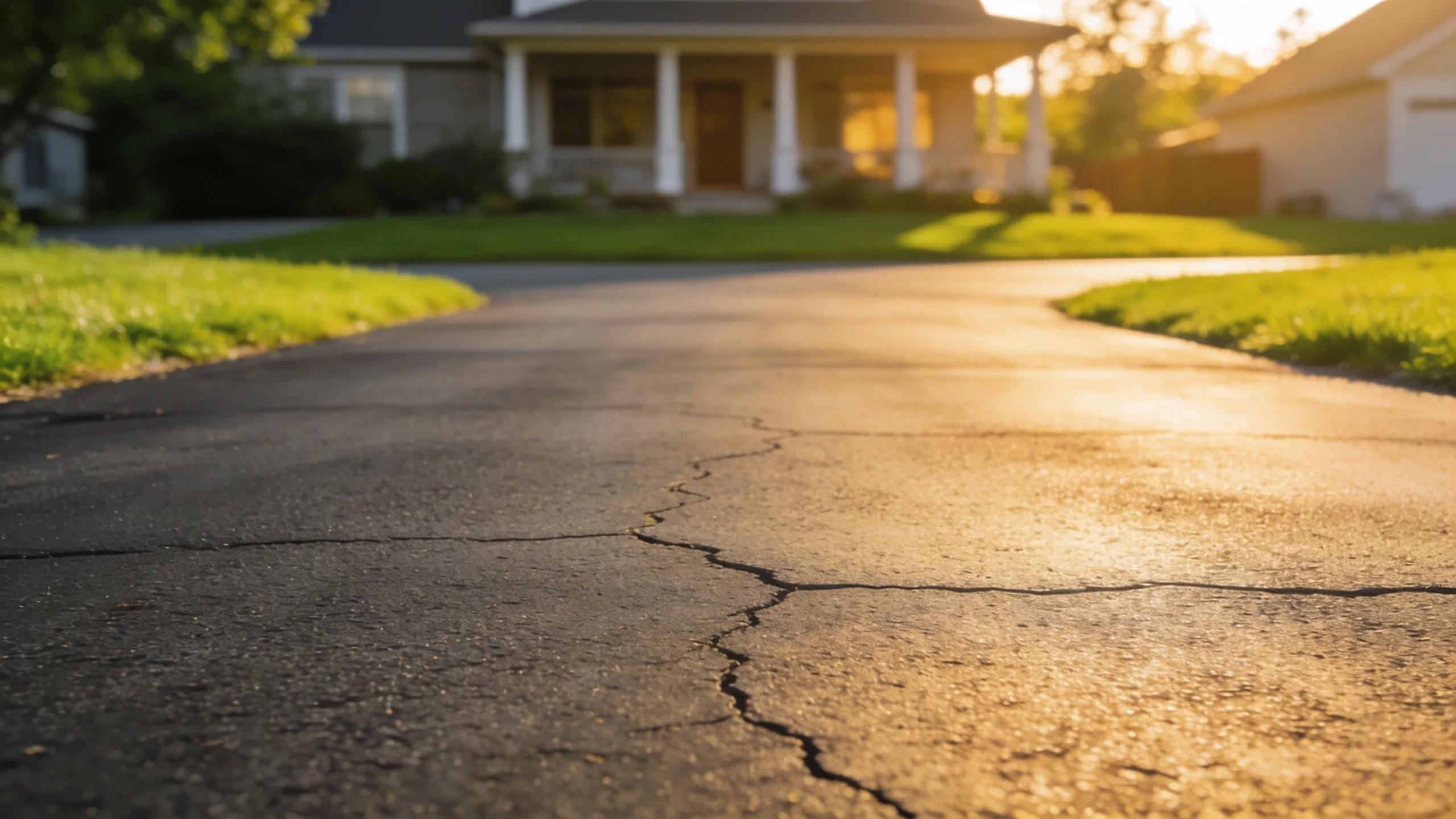
Cracks vary in size and severity and point to different problems. Shallow, interconnected surface cracks often result from UV exposure and general weathering, while deep, structural cracks may indicate foundational issues. When cracks appear, prompt action with asphalt driveway repair prevents escalation and preserves the surface.
Why Are Potholes Critical Warning Signs for Immediate Repair?
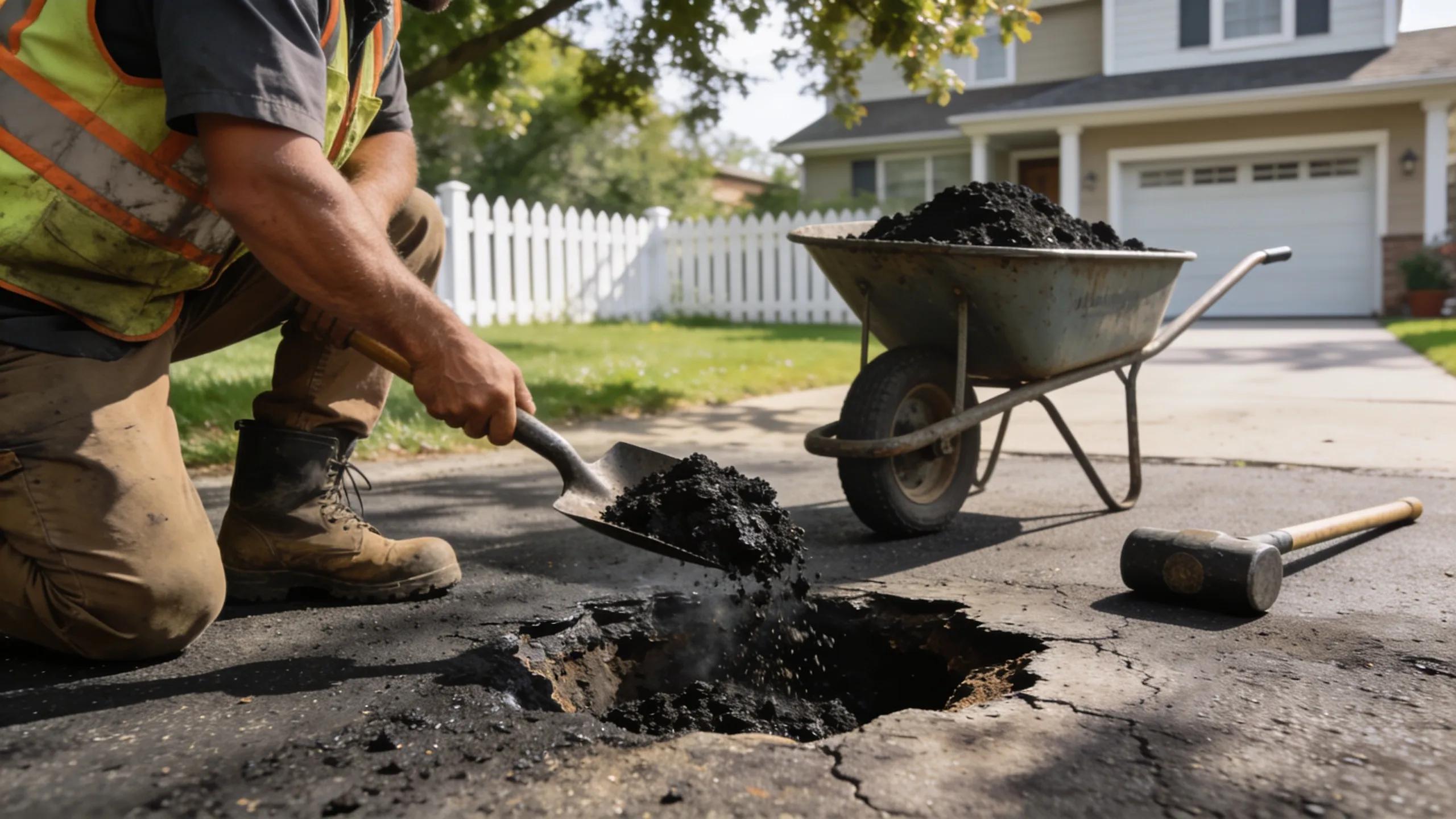
Potholes represent advanced asphalt failure and create safety and vehicle-damage risks. They typically form from water infiltration, freeze–thaw cycles, and heavy traffic, leading to loss of underlying support. Leaving potholes unrepaired increases hazard and accelerates surrounding deterioration, so prompt remediation is necessary to protect safety and surface integrity.
When Should You Consider Asphalt Driveway Replacement Instead of Repair?
Repairs are not always sufficient. Factors such as the driveway’s age, the breadth of visible damage, and functional performance determine when replacement is the most cost-effective solution. Evaluating these criteria helps homeowners choose the most practical long-term approach.
What Functional Impacts Indicate Replacement Is Necessary?
Replacement is warranted when functionality is compromised—examples include major cracking, pronounced unevenness, and persistent drainage problems. These conditions affect usability and can lead to escalating damage. Addressing functional failures through replacement can restore performance and prevent recurring issues.
How Does Extensive Asphalt Deterioration Affect Replacement Decisions?
When deterioration is widespread—deep fissures and extensive surface wear—repair costs can approach the expense of full replacement. Regular condition assessments enable homeowners to weigh repair versus replacement based on the visible damage and anticipated remaining service life.
How Do Maintenance Practices Extend Asphalt Driveway Longevity?
Planned maintenance such as sealcoating and crack filling is fundamental to prolonging an asphalt driveway’s service life. These proactive steps slow deterioration, preserve appearance, and reduce the need for major interventions.
What Are the Benefits and Frequency of Sealcoating for Asphalt Driveways?
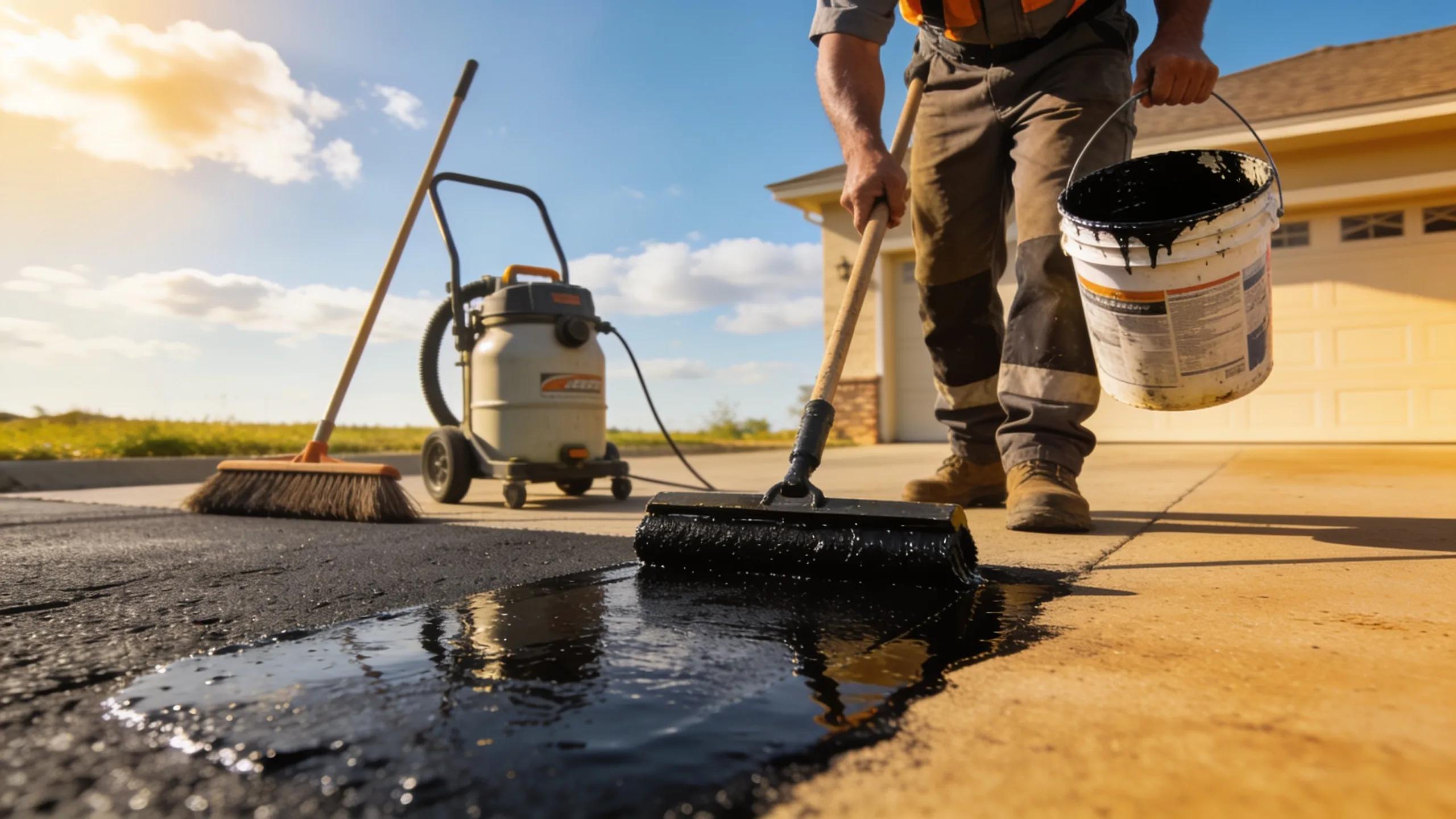
Sealcoating forms a protective layer that improves appearance and shields asphalt from UV damage, oil, and water. It is generally recommended every two to three years, depending on traffic and weather exposure. Regular sealcoating can meaningfully extend the driveway’s useful life.
When Should Asphalt Crack Filling Be Performed for Optimal Results?
Crack filling should be completed as soon as cracks are detected. Early intervention prevents moisture intrusion and limits structural damage. For best results, perform crack filling in dry conditions soon after identification.
What Are the Estimated Costs and Timelines for Asphalt Driveway Repair and Replacement?
Understanding cost and time expectations helps homeowners plan. Expenses and project duration vary with damage extent, chosen methods, and site conditions.
How Does Repair Cost Compare to Full Replacement Costs?
Repair costs vary by damage type. Basic crack filling can start around $100, while more involved repairs may range from $500 to $2,000. Full replacement commonly falls between $3,000 and $8,000, depending on driveway size and complexity. Comparing both options helps prevent unexpected expenses.
What Is the Expected Duration for Repair vs. Replacement Projects?
Typical repair work can be completed in a few days, with minor tasks sometimes finished in hours depending on complexity. Replacement projects can take several days to weeks, influenced by weather and project scale. Clear timelines allow homeowners to plan and reduce disruption.
How Can You Accurately Assess Your Asphalt Driveway’s Condition?
A systematic assessment identifies issues before they require costly intervention. Regular inspections and familiarity with warning signs support timely maintenance and repair decisions.
What Tools and Indicators Help Detect Early Asphalt Damage?
Tools such as moisture meters and laser levels assist in evaluating driveway condition. Homeowners should watch for cracking, fading, and standing water—each a sign that maintenance may be needed. Visual inspections should be part of routine property care.
When Should You Consult Asphalt Repair Experts for Evaluation?
Contact a professional when damage is substantial or when you are unsure of the severity. Experts provide thorough evaluations and recommend the appropriate repairs or replacement to protect both appearance and function.
What Are the Latest Innovations in Asphalt Driveway Repair and Sustainable Materials?
The asphalt industry continues to introduce technologies and materials that improve durability and environmental performance. Awareness of these developments helps homeowners make informed choices for repair and replacement.
How Do Environmentally Sustainable Materials Improve Asphalt Driveway Durability?
Recycled asphalt and other sustainable materials can deliver reliable durability while reducing waste. These options often provide a durable surface and can appeal to homeowners focused on environmental impact.
What Advances in Sealcoating and Repair Technologies Should Homeowners Know?
Improvements in sealcoating formulations and repair products have produced longer‑lasting results and faster application methods. These advances can reduce the frequency of maintenance and improve protection against the elements.
Frequently Asked Questions
What are the signs that my asphalt driveway is beyond repair?
When the surface shows major structural failure—large cracks, deep potholes, or surface loss that exposes the base—repair may no longer be viable. Persistent drainage or unevenness that causes standing water also indicates replacement is likely the better option. Have a professional evaluate the condition to confirm the best course of action.
How can weather affect the condition of my asphalt driveway?
Weather drives much of the wear on asphalt. Extreme heat and cold cause expansion and contraction that lead to cracking. Rain and snow can enter cracks and worsen damage through freeze–thaw cycles. Regular maintenance and timely repairs reduce weather‑related deterioration.
What can I do to prevent damage to my asphalt driveway?
Preventive maintenance is essential. Schedule routine sealcoating, address small cracks promptly, and ensure proper drainage to avoid water accumulation. Limit prolonged parking of heavy vehicles and consider edging to protect the surface. Regular inspections catch issues before they escalate.
Are there any DIY methods for repairing small asphalt cracks?
Small cracks can often be repaired with consumer crack filler or sealant. Clean debris from the crack, then follow the manufacturer’s application instructions. Apply repairs during dry weather for best adhesion. For larger cracks or potholes, consult a professional to ensure a durable fix.
How often should I have my asphalt driveway professionally inspected?
Professional inspections are recommended every two to three years, especially for driveways with heavy use or exposure to severe weather. If you notice cracks, drainage issues, or other visible damage, request an evaluation sooner. Regular assessments help avoid costly repairs.
What should I expect during a professional asphalt repair consultation?
During a consultation, the specialist will inspect the driveway for cracks, potholes, and drainage problems and discuss repair or replacement options. They will provide cost estimates and timelines and offer tailored recommendations to extend the driveway’s service life.
What factors influence the cost of asphalt driveway replacement?
Replacement cost depends on driveway size and complexity, the amount of excavation and grading required, and material quality. Local labor rates and permits can also affect the final price. Discuss these factors with a contractor to obtain an accurate estimate.
Conclusion
Timely recognition and repair of asphalt driveway issues preserves safety, appearance, and value. Regular maintenance and informed decisions about repair versus replacement extend service life and reduce long‑term costs. Assess your driveway proactively and seek professional evaluation for visible damage. Contact our team of experts to review options and identify the right solution for your driveway needs.