

Key Criteria for Selecting Your Asphalt Contractor
Selecting the right asphalt contractor materially affects the outcome of your paving project. With numerous providers available, it is essential to evaluate credentials, cost drivers, services offered, warranty terms, and how contractors present their estimates. This article examines those factors and explains how they influence overall project quality. By focusing on these priorities, you protect material standards and ensure the contractor you choose demonstrates reliability and professionalism.
What Are the Essential Credentials and Licensing Requirements for Asphalt Contractors?
Confirming a contractor’s credentials and licensing is a fundamental step before engagement. Credentials indicate the contractor’s capability to manage paving projects in line with regional regulations and recognised safety standards. Proper licensing is more than administrative paperwork; it demonstrates compliance with local law and industry guidelines and contributes to both legal protection and quality assurance.
How Does Licensing Ensure Asphalt Contractor Reliability and Compliance?
Licensing establishes a legal baseline for contractor reliability and adherence to safety practices. Licensed contractors have completed required training and certification processes, which equip them with the technical skills necessary for quality asphalt paving. Licensing also provides clients with recourse if issues arise during or after the project. Verify the relevant licensing bodies to confirm the contractor is authorised to operate in your area.
Which Certifications and Industry Recognitions Should You Look For?
Beyond basic licensing, industry certifications and association memberships signal a contractor’s commitment to professional standards and ongoing training. These credentials vary by region and may cover specialised asphalt applications or recognition from national paving organisations. Reviewing such qualifications offers assurance regarding workmanship and adherence to industry best practice.
How Do Asphalt Paving Cost Factors Affect Your Project Budget?
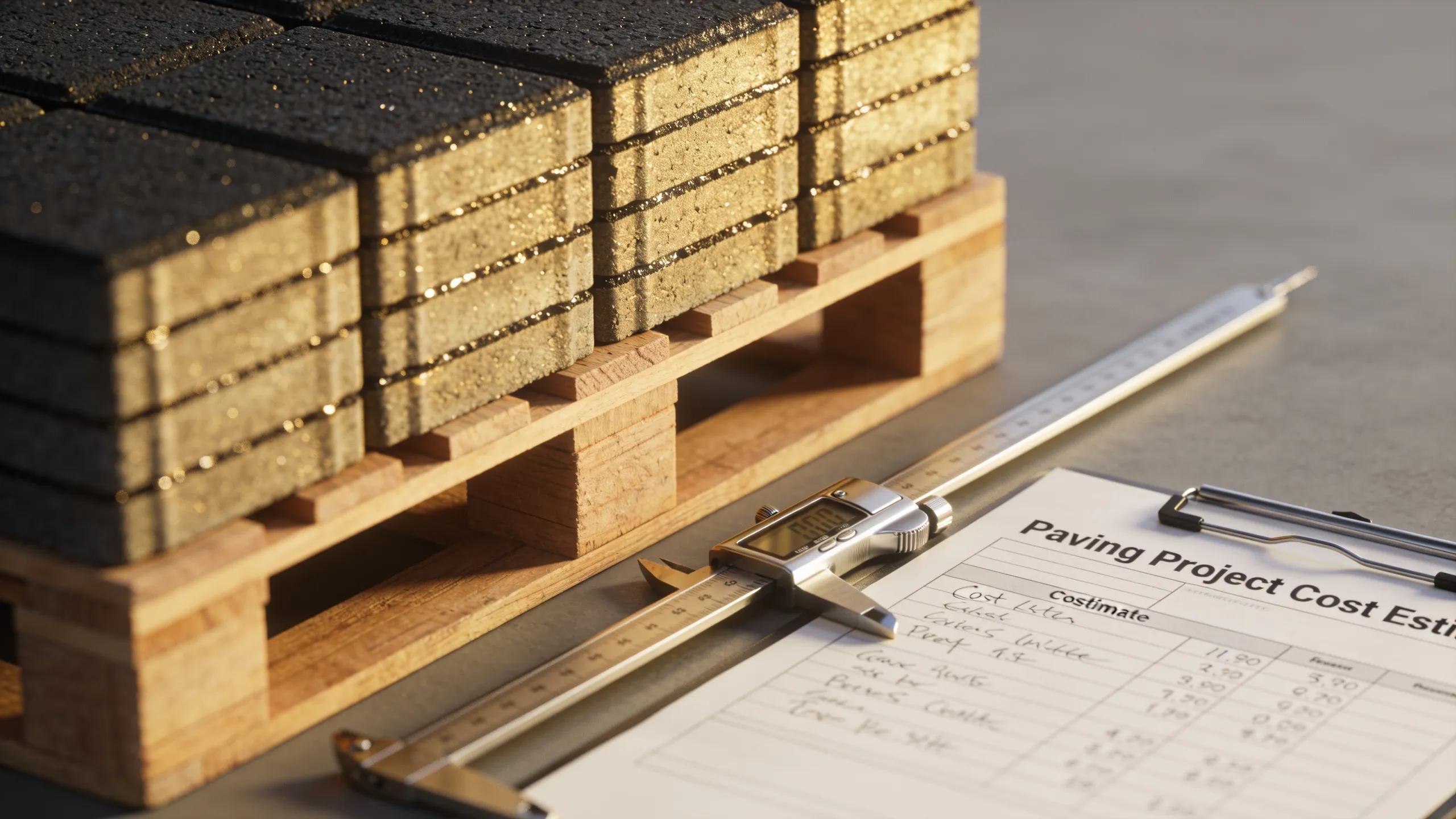
Understanding cost drivers is essential for effective budget management on an asphalt paving project. Key contributors include materials, labour and project complexity. Analysing these elements enables informed decisions that preserve quality while optimising value. Working with a contractor like Arrow Asphalt LLC can assist in navigating these considerations.
What Are the Main Drivers of Asphalt Paving Costs?
The costs associated with asphalt paving projects are driven by several main factors:
- Quality of Materials: High-grade asphalt materials can enhance durability and longevity.
- Labor Costs: Skilled labor is essential for ensuring that the asphalt is laid properly, which can significantly impact overall project costs.
- Site Conditions: Unique factors such as soil stability and existing surface conditions can lead to increased costs if additional preparation or repairs are required.
Identifying these cost drivers allows more accurate budgeting and helps ensure the project remains on schedule and within financial expectations.
How to Compare Detailed Estimates from Different Asphalt Contractors?
When comparing estimates from multiple contractors, inspect the level of detail to assess value accurately. A comprehensive estimate should clearly define the scope, materials and a transparent cost breakdown so you can compare offers on equivalent terms.
- Scope of Work: Clear definitions of what the contractor will accomplish.
- Material Descriptions: Detailed information on the asphalt types and other materials used.
- Cost Breakdown: A transparent view of labor, materials, and additional charges makes it easier to compare different contractors.
These components clarify the contractor’s offering and enable a fair comparison of pricing and deliverables.
What Asphalt Repair and Maintenance Services Should Contractors Offer?
Comprehensive asphalt services extend beyond initial installation to include ongoing maintenance and repair. Selecting a contractor that provides a range of services reduces future downtime and can lower long-term lifecycle costs.
Which Maintenance Plans Optimize Asphalt Longevity?
Proactive maintenance significantly extends the service life of asphalt surfaces. Regular inspections combined with targeted services such as:
- Crack Filling: Prevents water infiltration and damage.
- Sealcoating: Protects the asphalt from UV rays and oxidation.
- Regular Cleaning: Ensures debris does not contribute to surface damage.
These measures preserve pavement integrity, maintain functionality and support a professional appearance over time.
How Do Repair Services Vary Among Asphalt Contractors?
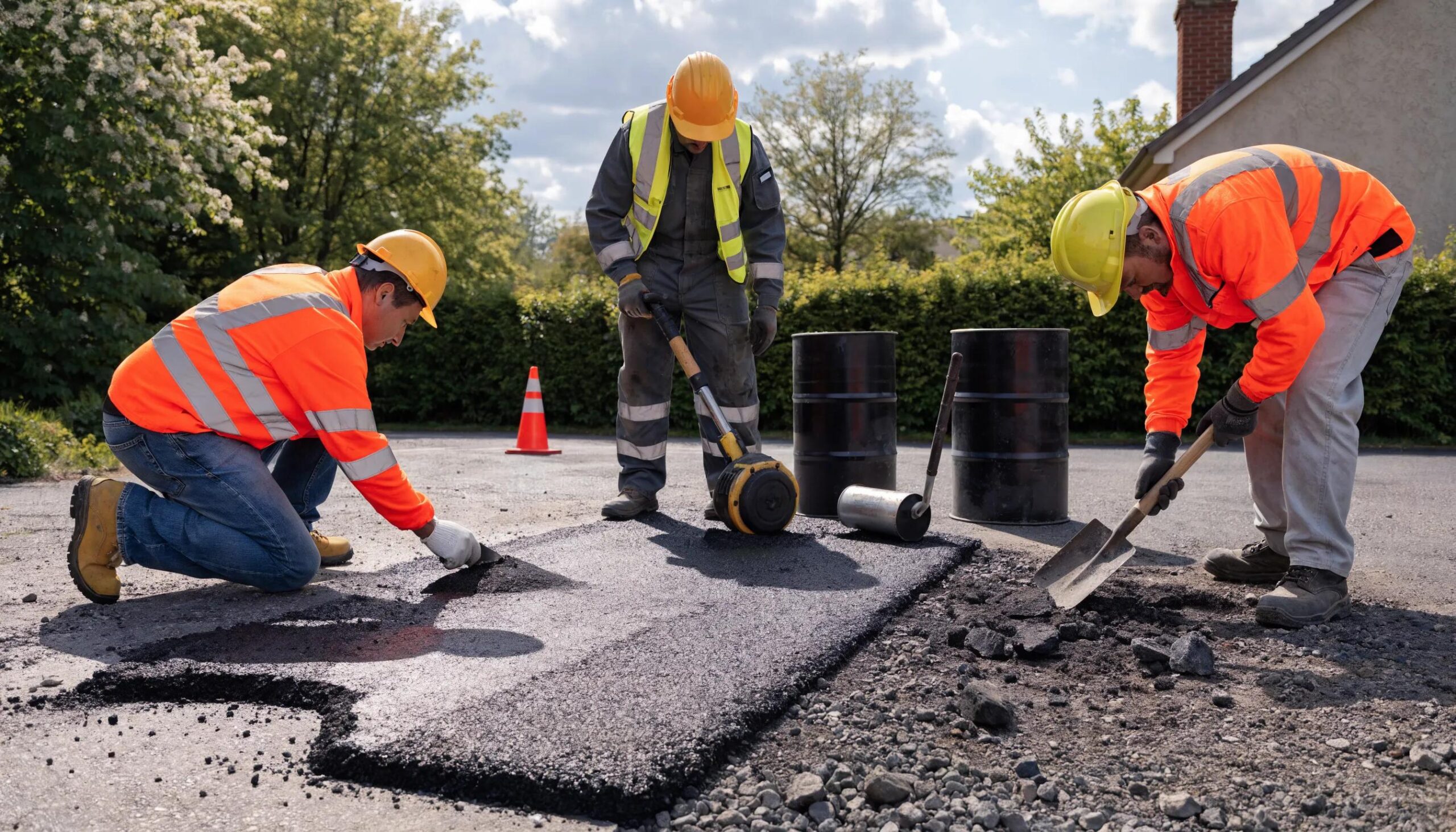
Contractors differ in the range and depth of repair services they provide. Some focus primarily on installation, while others offer a full suite of repair options to address varying levels of damage.
- Patching: Filling in specific damaged areas.
- Overlaying: Adding a new layer of asphalt over existing surfaces.
- Full Replacement: When the surface is beyond repair, complete replacement may be necessary.
Understanding these distinctions helps you select a contractor capable of supporting the pavement through its full lifecycle.
Why Is Warranty and Customer Service Critical When Choosing Asphalt Contractors?
A robust warranty and responsive customer service are key indicators of a contractor’s confidence and professionalism. Contractors that stand behind their work reduce risk and provide assurance that issues will be addressed after project completion.
What Warranty Terms Are Standard in Asphalt Paving Contracts?
Warranty terms vary, but they should ideally cover both materials and workmanship for a meaningful period. Many reputable contractors provide warranties ranging from 1 to 5 years, depending on materials and scope of work. Such coverage protects your investment and facilitates timely resolution of defects related to workmanship or materials.
How Does Customer Service Impact Your Project Experience?
Effective customer service improves the project experience through clear communication on schedules, progress and any unforeseen issues. Contractors who respond promptly to concerns and maintain transparent dialogue contribute to smoother project delivery. Review client testimonials and contractor references to evaluate service quality.
How to Effectively Request and Evaluate Estimates from Asphalt Contractors?
Requesting estimates in a structured way increases the likelihood of receiving detailed, comparable proposals. Clear requests help contractors provide precise and relevant responses.
What Information Should Be Included in Your Estimate Request?
Include the following details to ensure accurate estimates:
- Your Contact Information: Essential for follow-up.
- Project Specifications: Details on the size, desired finishes, and any specific requirements.
- Budget Guidelines: Desired budget parameters can assist contractors in tailoring their estimates.
This comprehensive approach helps ensure that you receive thorough and relevant estimates. You can review the range of services offered by experienced contractors to tailor your request.
How to Use Estimates to Make Informed Contractor Comparisons?
To compare estimates effectively, assess clarity, scope and the value offered rather than focusing solely on price. Investigate each contractor’s reputation and prior client outcomes to contextualise the proposal.
- Evaluate Clarity: Look for clarity and comprehensiveness in the estimates.
- Compare Values, Not Just Costs: Focus on what is offered for the price, rather than simply choosing the lowest bid.
- Assess Reputation: Investigate each contractor’s reputation and previous client experiences.
Applying these criteria positions you to select a contractor who meets budgetary needs while delivering the expected standards of quality and service.
Frequently Asked Questions
1. What Are the Benefits of Hiring a Local Asphalt Contractor?
Hiring a local contractor provides practical advantages such as familiarity with regional climate and soil conditions that affect paving performance. Local firms often maintain community reputations and greater accountability, which can translate into improved customer service and timely project completion. Local contractors are also more likely to understand applicable regional regulations and permitting requirements.
2. How Can I Determine the Reputation of an Asphalt Contractor?
Assess reputation by reviewing online ratings and customer testimonials on platforms such as Google, Yelp or the Better Business Bureau. Request references from the contractor to review past projects and client satisfaction directly. Membership in local associations or industry groups can further indicate a commitment to professional standards.
3. What Should I Expect During the Asphalt Installation Process?
The installation process typically includes site assessment, removal of existing surfaces, grading for proper drainage and the laying of new asphalt. After installation, the surface requires an appropriate curing period. Throughout, a professional contractor should provide clear updates on schedule and any issues that arise.
4. Are There Eco-Friendly Options for Asphalt Paving?
Yes. Contractors may offer options such as warm-mix asphalt, which is produced at lower temperatures to reduce greenhouse gas emissions, and recycled asphalt pavement (RAP), which reduces demand for new materials. Permeable asphalt is another option that aids stormwater management by allowing water to pass through the surface. Ask contractors about sustainable practices when evaluating proposals.
5. How Do Weather Conditions Affect Asphalt Installation?
Weather has a direct impact on installation quality. Paving is best performed in dry conditions with moderate temperatures, typically between 50°F and 90°F. Rain, extreme heat or cold can impair curing and compromise the installation, and contractors may reschedule work to ensure optimal results.
6. What Is the Average Lifespan of Asphalt Pavement?
The typical lifespan of asphalt pavement ranges from 15 to 30 years, depending on material quality, installation practices and maintenance. Regular upkeep, including sealcoating and crack repair, can extend service life. Local climate and traffic levels also influence longevity, so plan for consistent maintenance to achieve durable results.
7. Can I Use My Asphalt Driveway Immediately After Installation?
New asphalt surfaces generally require about 24 to 48 hours to cure before normal use, although exact times vary with weather and layer thickness. Adhering to your contractor’s recommendations for use restrictions helps prevent damage to the fresh pavement.
Conclusion
Choosing the right asphalt contractor is fundamental to achieving durable, high-quality paving. By prioritising verified credentials, transparent cost factors and dependable customer service, you can make an informed selection. Begin by requesting detailed estimates and select a contractor whose approach and capabilities align with your project requirements to achieve the best possible outcome.