

Parking Lot Repair Signs: How to Identify When Your Parking Lot Requires Urgent Repairs and Maintenance

Identifying when a parking lot requires repair is essential to preserve safety and function. Constant traffic and weather wear produce visible signs that demand prompt attention. Recognising these signs early prevents further damage and extends the pavement’s service life. This article outlines key indicators—cracks, potholes, surface wear and drainage problems—recommended maintenance actions, and when to schedule repairs. Use a consistent checklist to protect your investment and ensure long-term usability.
What Are the Common Signs Your Parking Lot Needs Immediate Repair?
Detecting urgent pavement issues enables property managers to respond before problems escalate. Common, visible indicators are listed below to guide timely action.
- Cracks and Potholes: Cracks in the asphalt can deepen over time, leading to hazardous potholes that can cause damage to vehicles and pose safety risks.
- Surface Fading: A faded surface can indicate underlying deterioration and loss of protective seal, requiring urgent restoration.
- Drainage Issues: Poor drainage can cause water to pool in specific areas, exacerbating surface wear and leading to structural damage.
Prompt intervention reduces the scope and cost of repairs and preserves a safe, professional appearance. For an accurate evaluation, consult contractors experienced in asphalt maintenance and repair.
This manual offers practical guidance on pavement maintenance and supports a proactive approach to identifying and repairing early damage.
Asphalt Pavement Repair and Resurfacing Manual
ABSTRACT: Timely maintenance of pavement deficiencies is critical to safeguarding a significant investment and asset for public agencies. These maintenance actions can be performed as durable, standalone repairs for localized issues or as preparatory steps for a comprehensive resurfacing project. This manual offers fundamental guidance on the planning, materials, and construction methodologies for common pavement repairs, including crack sealing, crack filling, and patching. Furthermore, it provides an overview of additional preparatory measures required for total pavement resurfacing, whether achieved through a surface treatment or a thin hot mix asphalt (HMA) overlay. Manual for Asphalt Pavement Repair and Resurfacing Preparation, 2022
How to Recognize Asphalt Cracks: Key Indicators of Surface Deterioration
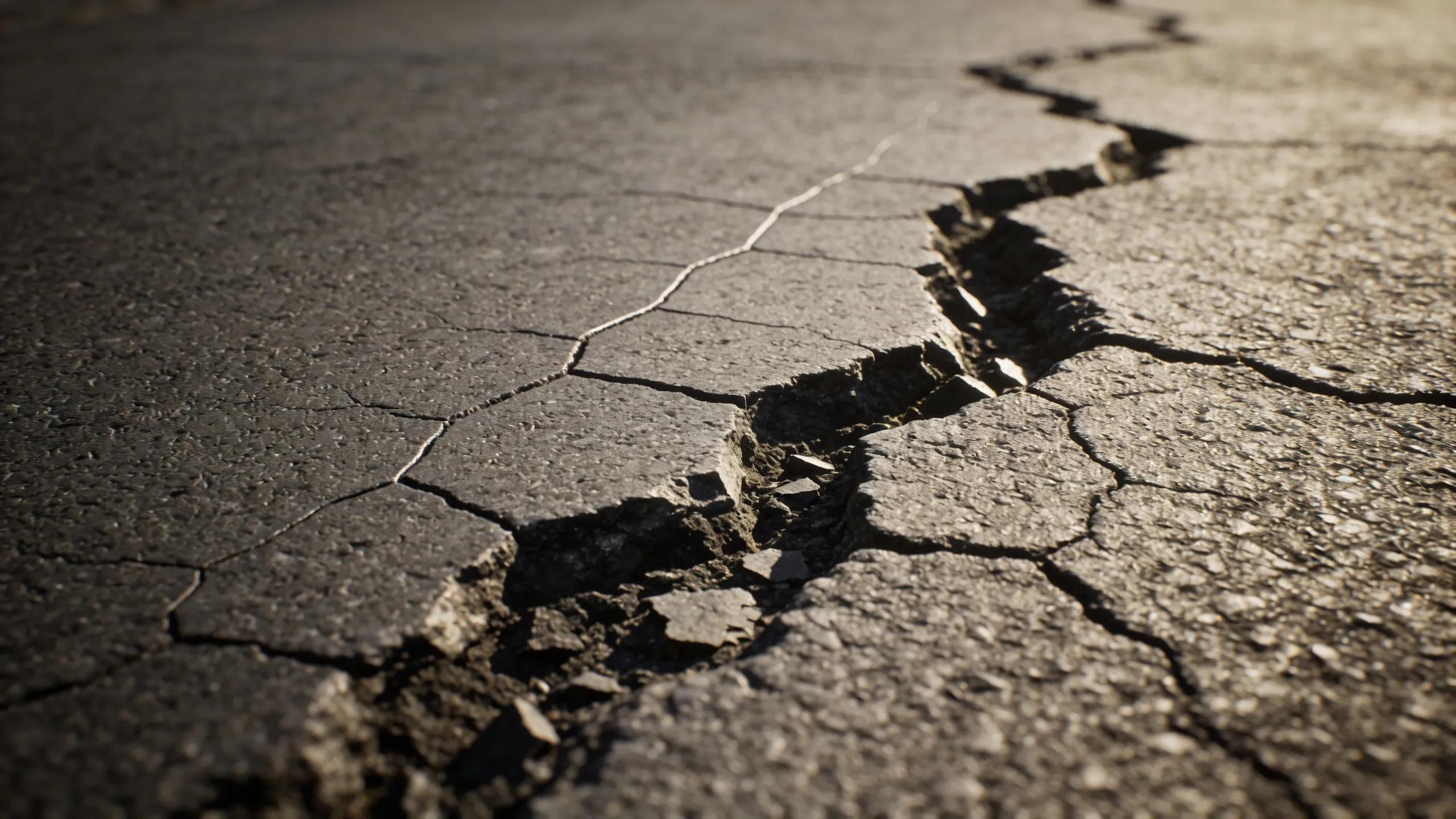
Crack types reflect distinct causes and repair needs. Identifying the crack category helps determine the correct intervention and limits further structural loss.
- Hairline Cracks: Small, superficial cracks that typically signify wear from weather and traffic.
- Alligator Cracks: These appear as a series of interconnected cracks, resembling alligator skin, indicating a need for immediate intervention due to significant stress or base failure.
- Slippage Cracks: Caused by asphalt layer movement, these cracks indicate serious issues related to moisture damage and require prompt repair.
Leaving cracks untreated accelerates deterioration, increases repair complexity, and raises safety and liability risks.
What Does Pothole Formation Tell You About Parking Lot Condition?
Potholes develop when moisture penetrates cracks and freeze-thaw cycles or traffic pressure undermines the pavement. Their appearance signals deeper problems that warrant careful assessment.
- Base Damage: A pothole often indicates that the asphalt base is compromised, which may necessitate deeper repairs or complete resurfacing.
- Safety Hazards: Potholes can pose significant hazards for vehicles and pedestrians, potentially leading to accidents and injuries.
- Increased Repair Costs: Delaying the repair of potholes can lead to more extensive damage that is significantly more costly to fix.
Timely, appropriate patching or full-depth repair prevents further breakdown and restores safe use of the parking area.
How Does Surface Wear and Drainage Impact Parking Lot Maintenance Needs?
Surface wear and drainage are interrelated factors that determine maintenance frequency and repair scope. Addressing both preserves pavement performance and reduces long-term costs. For comprehensive solutions, consider visiting Arrow Asphalt LLC.
- Effects of Wear: Over time, the constant friction from vehicles can wear down the asphalt surface, leading to reduced traction and increased wear. Regular inspections are essential to identify these issues early on.
- Drainage Importance: Effective drainage is vital to prevent water accumulation. Poor drainage can accelerate wear and cause freeze-thaw damage, leading to severe issues like cracking and potholes.
Maintaining clear drainage channels and addressing surface wear promptly prolongs pavement life and maintains safe operating conditions.
Why Is Surface Fading and Material Erosion a Warning Sign?
Surface fading often indicates loss of protective coatings and increased exposure to environmental stressors. It should be treated as a precursor to structural decline.
- Visual Cues: Color changes indicate the loss of protective sealant and exposure to harmful UV rays, which can lead to further degradation.
- Long-term Damage: Faded areas can become susceptible to cracking and erosion, increasing the need for repairs.
- Recommended Actions: Regular sealcoating can provide a protective layer, helping to maintain surface integrity and appearance.
Inspect the surface periodically and apply sealcoating per manufacturer or contractor recommendations to preserve appearance and function.
What Drainage Issues Signal the Need for Urgent Maintenance?
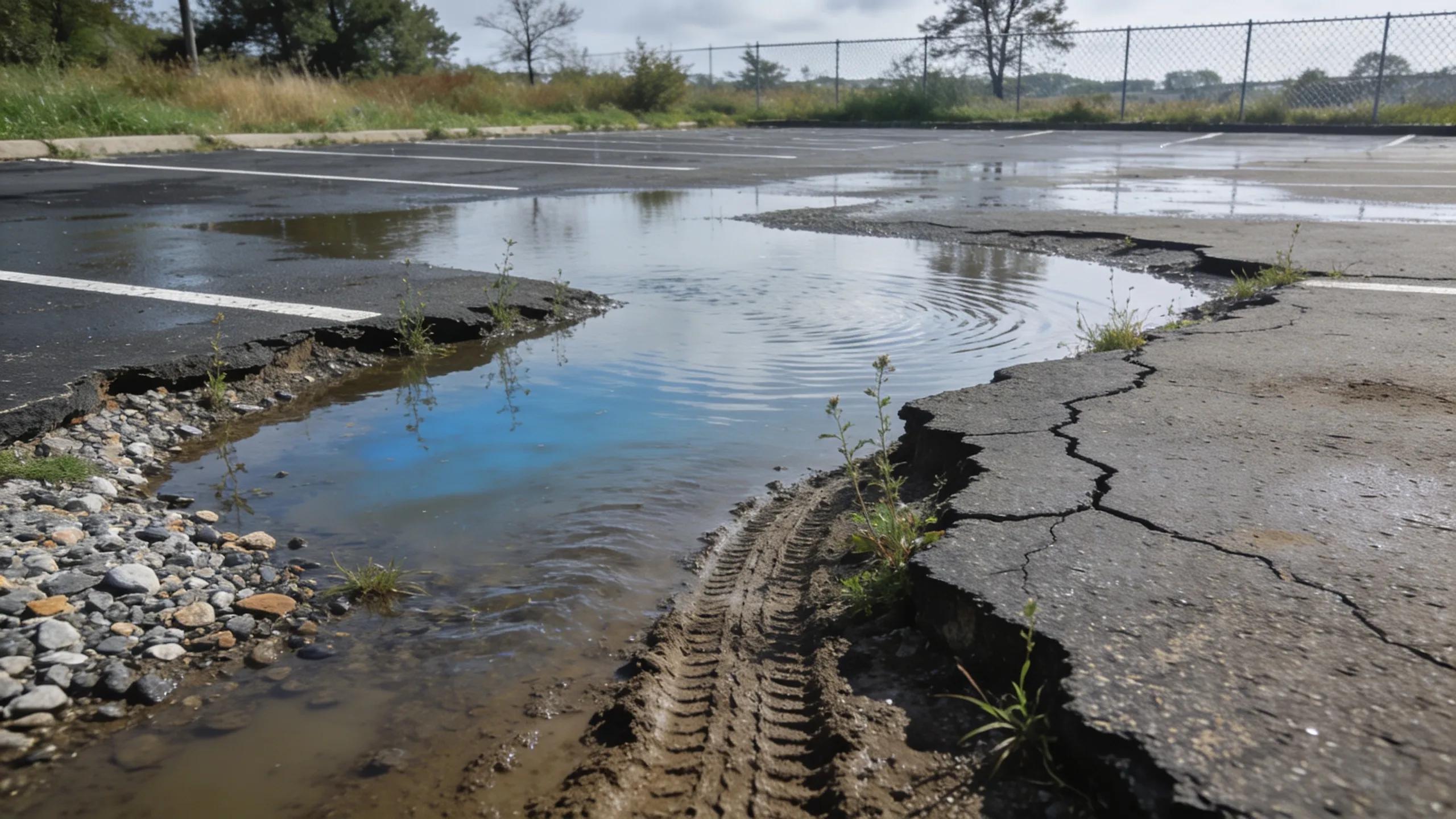
Early recognition of drainage failures prevents progressive structural damage. Look for specific signs that indicate water is compromising the pavement.
- Standing Water: Accumulated water can lead to asphalt degradation and structural damage.
- Erosion at Edges: Visible erosion along the edges of your lot indicates that water is not properly channeled away, requiring immediate attention.
- Cracks Near Drainage Areas: Cracks that appear near ineffective drainage points often signify water intrusion, which needs urgent repair to prevent further deterioration.
Address drainage faults promptly and coordinate repairs that restore proper runoff and protect the pavement structure.
When Should You Schedule Asphalt Crack Repair and Pothole Patching?
Choosing the correct timing for repairs reduces costs and limits operational disruption. Use visible damage, seasonal cycles, and inspection findings to plan interventions.
- Visible Damage: Schedule repairs as soon as cracks or potholes appear to avoid more extensive repairs later.
- Seasonal Changes: For regions with harsh winters, proactive repairs before the freeze-thaw cycle can prevent further damage.
- Regular Inspections: Conducting inspections regularly will help you identify when repairs are needed timely.
Consistent maintenance and scheduled repairs maintain pavement performance and reduce the total cost of ownership.
What Are the Best Repair Methods for Different Asphalt Crack Types?
Several repair techniques match specific crack conditions; selecting the correct method improves durability. Consider exploring services for professional guidance on appropriate methods.
| Repair Method | Applicable Crack Type | Effectiveness | Cost |
|---|---|---|---|
| Crack Sealing | Hairline and small cracks | High | Low |
| Patching | Alligator and pothole cracks | Moderate | Moderate |
| Resurfacing | Extensive wear and deep cracks | High | High |
Selecting the correct repair approach based on crack type reduces recurrence and lowers future maintenance demands.
How Quickly Should Potholes Be Addressed to Prevent Further Damage?
The response time for pothole repair directly affects pavement integrity and safety. Prioritise repairs to avoid escalating consequences.
- Risks of Delay: Allowing potholes to linger can damage vehicles and increase the risk of accidents.
- Associated Costs: The longer you wait, the more expensive repairs become due to further deterioration.
- Best Practices: Addressing potholes within a week of detection can save property owners significant costs and prevent risky conditions.
Promptly scheduling repair work limits damage progression and protects users and assets.
What Does a Parking Lot Maintenance Checklist Include for Preventing Urgent Repairs?
A structured maintenance checklist supports predictable upkeep and reduces emergency interventions. Include the items below in routine planning.
- Regular Sealcoating: Perform sealcoating every 1-3 years to protect the asphalt and extend its lifespan.
- Routine Inspections: Conduct inspections at least twice a year to identify and address any developing issues early.
- Proper Drainage Management: Regularly assess drainage capabilities and clear gutters to prevent water accumulation.
Following a consistent checklist lowers the chance of sudden failures and helps manage repair budgets effectively.
How Often Should Sealcoating Be Performed to Extend Asphalt Lifespan?
Sealcoating provides a protective layer that slows ageing and surface breakdown. Observing recommended intervals maximises its benefits.
- Frequency: Sealcoating should ideally be performed every 1-3 years, depending on usage and environmental factors.
- Costs Involved: The average cost for sealcoating ranges from $0.10 to $0.30 per square foot, showcasing a cost-effective method to prolong consistent surface quality.
- Benefits: Regular sealcoating protects against UV damage, water infiltration, and oxidation, helping to maintain the surface’s integrity.
Implementing a scheduled sealcoating programme helps sustain surface quality and defers more costly repairs.
What Routine Inspections Help Detect Early Signs of Parking Lot Distress?
A formal inspection routine highlights emerging issues before they require major repairs. Use consistent checks and documentation to guide maintenance decisions.
- Visual Assessments: Regularly check for visible cracks, fading, or pooled water.
- Listen for Sounds: Notice any unusual noises from vehicles indicating uneven surfaces or potential hazards.
- Document Findings: Maintain records of inspections to track the condition over time and plan repairs accordingly.
Documented, repeated inspections enable timely repairs and preserve the lot’s safety and appearance.
How Can You Request Accurate Repair Estimates for Your Parking Lot?
Obtain clear estimates by preparing relevant information and coordinating site access. This ensures assessments reflect actual repair needs.
- Detailed Description: Provide a comprehensive description of the issues observed for accurate assessments.
- Access Considerations: Ensure the contractor can easily access the areas needing repair for a thorough evaluation.
- Comparative Estimates: Obtain multiple estimates to gauge fair pricing and service offerings from local contractors.
Requesting and comparing estimates helps secure appropriate value and the right scope of work for your needs.
What Information Do Reliable Repair Estimates Provide?
Trustworthy estimates present a clear scope, itemised costs and warranty information so stakeholders understand the investment and expectations.
- Cost Breakdown: A detailed breakdown of labor, materials, and any potential fees.
- Scope of Work: Clarity on the tasks that will be performed, including timelines for completion.
- Guarantee Information: Information on warranties or guarantees offered for the work performed.
Precise estimates reduce ambiguity and support informed decision-making about repairs.
Why Choose Experienced and Local Asphalt Repair Professionals?
Selecting experienced local contractors delivers practical advantages tied to regional conditions and established workmanship standards.
- Knowledge of Local Conditions: Local contractors understand the specific environmental conditions and regulations affecting parking lot maintenance in the area.
- Quality Assurance: Established professionals are likely to provide higher quality workmanship due to their reputation and experience.
- Community Reputation: Favoring local businesses supports the community and often results in more reliable service.
Working with local, experienced asphalt professionals improves outcomes and simplifies coordination for ongoing maintenance.
Frequently Asked Questions
1. What can cause potholes in my parking lot?
Potholes typically result from a combination of moisture infiltration, freeze-thaw action and heavy traffic. Water entering cracks expands when frozen and weakens the surrounding material. Repeated vehicle loads then dislodge the compromised pavement, forming potholes. Addressing the underlying causes reduces the risk of new potholes.
2. How can I expand the longevity of my asphalt surface?
Extend pavement life through regular maintenance: schedule sealcoating every 1 to 3 years, repair cracks promptly, and ensure effective drainage. Routine inspections allow early detection of problems so repairs remain straightforward and cost-effective.
3. What are the signs that my parking lot needs sealcoating?
Indicators for sealcoating include noticeable fading, reduced surface traction, and the appearance of small cracks. Rapid dirt accumulation can also signal loss of the protective layer. Addressing these signs with sealcoating preserves surface integrity.
4. How do environmental factors affect asphalt deterioration?
Environmental forces—rain, snow, temperature swings and UV exposure—accelerate pavement ageing. Moisture infiltrates and weakens layers, thermal cycles cause cracking, and UV radiation degrades the surface binder. Regular maintenance mitigates these effects and prolongs service life.
5. Is DIY crack repair effective compared to hiring professionals?
DIY repairs can address minor cracks and reduce immediate risks, but professional repairs typically deliver greater durability. Contractors apply appropriate materials and methods and can identify deeper issues a DIY approach may miss. For extensive damage, professional work is usually the more reliable solution.
6. What should I include in my parking lot maintenance plan?
A practical maintenance plan includes scheduled inspections, a sealcoating timetable, prompt repairs for cracks and potholes, and routine drainage checks. Documenting all activities and findings supports trend analysis and long-term planning.
7. How do I choose the right asphalt repair contractor?
Select contractors with local experience, verified references and clear, itemised estimates. Confirm licenses and insurance, compare multiple bids, and prioritise firms that demonstrate knowledge of local conditions and maintenance requirements.
Conclusion
Address visible signs—cracks, potholes, surface wear and drainage faults—promptly to preserve safety and functionality. Routine inspections and scheduled maintenance extend asphalt life and reduce total repair costs. Review your lot’s condition now and plan corrective actions. For professional support and detailed guidance, consult experienced asphalt repair specialists.