
Asphalt Paving Advantages for Driveways Explained: Comprehensive Guide to Benefits, Costs, and Maintenance
Asphalt is a widely chosen solution for homeowners who want a durable, attractive driveway. This guide reviews asphalt’s longevity, cost profile, and maintenance needs, and explains installation and environmental considerations. The goal is to present clear, practical information so homeowners can compare options and make an informed decision. We cover benefits, a comparison with concrete, cost drivers, installation steps, maintenance recommendations, and recent environmental improvements in asphalt technology.
What Are the Key Benefits of Asphalt Driveway Paving?
Asphalt driveways deliver distinct advantages that make them a practical choice for many homeowners.
- Durability and Longevity: Asphalt is renowned for its ability to withstand various weather conditions, including extreme heat and heavy rain. Properly installed, an asphalt driveway can last 15 to 20 years, making it a long-term investment.
- Cost-Effectiveness: Compared to other materials like concrete, asphalt paving is generally more affordable, both in terms of initial costs and maintenance. It’s estimated that asphalt driveways can save homeowners up to 30% on installation costs over concrete alternatives.
- Aesthetic Improvements and Curb Appeal: With a smooth finish and the ability to be customized with different sealants, asphalt can enhance the beauty of a home’s exterior. This will positively affect curb appeal and potentially increase property value.
For those interested in high-quality asphalt paving solutions, there are specialist services that handle both installation and ongoing maintenance.
How Does Asphalt Enhance Driveway Durability and Longevity?
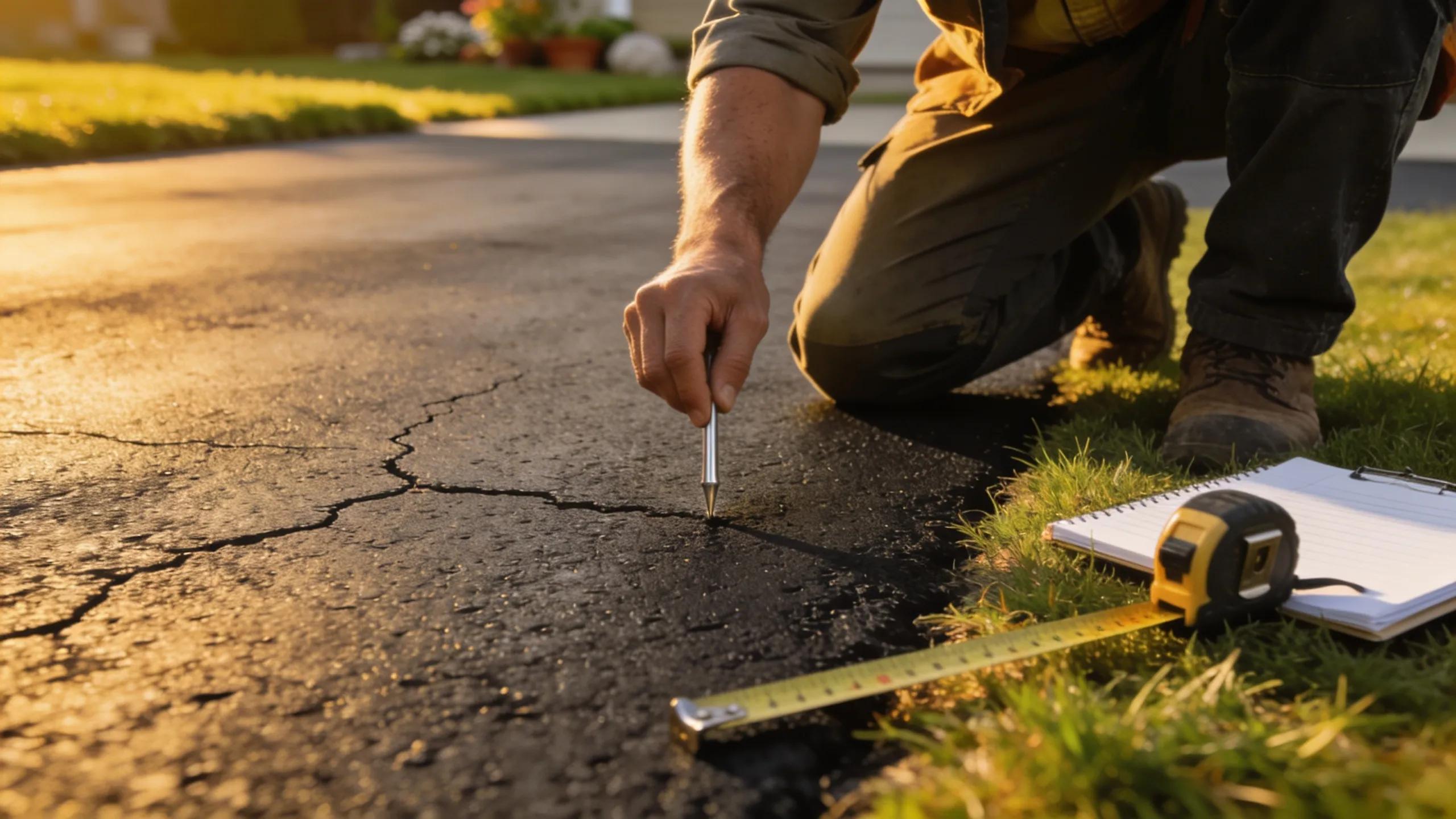
Asphalt’s durability stems from its material composition and correct installation. When laid and compacted to specification, asphalt resists cracking and supports heavy loads. It suits climates with temperature swings, and scheduled maintenance such as sealcoating every few years extends service life and performance.
In What Ways Does Asphalt Improve Driveway Aesthetics and Curb Appeal?
Asphalt provides a clean, dark finish that complements many home styles. Sealants can add sheen and protect the surface from weathering. Its smooth surface also creates a tidy planting edge and a uniform area for landscaping, improving overall curb appeal.
Colored Asphalt for Aesthetic Pavements in Public Areas
Asphalt is commonly used to surface urban roadways and external thoroughfares. The introduction of coloured asphalt, mixed into the paving material, has expanded its use to pedestrian walkways, bicycle paths, parks and other public spaces.Colored asphalt and street print are decorating paving in public spaces, 2018
How Does Asphalt Compare to Concrete for Driveway Paving?
Asphalt and concrete are the two primary driveway materials; each has characteristics that will influence a homeowner’s choice.
- Cost Differences: Generally, asphalt driveways tend to be cheaper to install than concrete. The average cost per square foot for asphalt ranges from $3 to $5, while concrete can range from $4 to $8, making asphalt a more budget-friendly choice for many homeowners.
- Performance and Maintenance Ease: Asphalt driveways are simpler to maintain, as they require less frequent sealing compared to concrete. Concrete surfaces can develop cracks and are more prone to damage from freeze-thaw cycles. Asphalt’s flexibility allows it to absorb and adapt to slight shifts in the ground, reducing the damage potential.
What Are the Cost Differences Between Asphalt and Concrete Driveways?
Installation cost is a major factor for many homeowners. Asphalt typically costs less up front, but long-term expenses should be considered: asphalt requires periodic sealcoating, while concrete can need repairs or replacement over a 10–30 year span depending on conditions.
Which Material Offers Better Performance and Maintenance Ease?
Asphalt generally requires less intensive maintenance than concrete and is easier to repair. When sealed regularly, asphalt resists common issues and damaged sections can be patched without repaving the entire driveway.
What Are the Critical Cost Factors Influencing Asphalt Driveway Paving?
Multiple factors affect the total cost of an asphalt driveway; understanding them helps with accurate budgeting.
- Installation Methods: Professional installation quality can vary, affecting overall costs. Using advanced equipment and high-grade materials will typically yield better long-term results.
- Material Quality and Sourcing: The cost of asphalt can fluctuate based on its sourcing and specific mix used. High-quality asphalt mix types provide better durability and longevity but may come at a higher upfront cost.
- Preparation Work: The extent of site preparation required can also impact costs. If significant grading or removal of old pavement is necessary, this will increase the project’s overall price.
For detailed service options and tailored proposals, consult service listings such as those available at detailed service offerings to align solutions with your project requirements.
Which Installation Elements Affect Asphalt Paving Expenses?
Factors that influence installation costs include the driveway’s size and current condition, installation complexity, and added features like edging or drainage. These variables should be included in any cost estimate.
How Do Size and Design Complexity Impact Pricing?
Project scale and design complexity directly affect price. Larger areas, custom shapes, slopes or additional grading increase labour and material needs, which raises overall cost.
What Is the Typical Asphalt Driveway Installation Process?
Installing an asphalt driveway follows a series of steps designed to produce a durable, long-lasting surface.
- Site Preparation: This involves clearing the area of existing materials, grading the soil for proper drainage, and compacting the base to establish a solid foundation.
- Asphalt Application: After preparation, hot asphalt mix is laid down and compacted into place using heavy-duty machinery.
- Cooling and Sealing: Once laid, the asphalt requires time to cool and set. A protective seal coat can then be applied to enhance durability and protect from the elements.
Which Step-by-Step Procedures Ensure Quality Asphalt Paving?
Quality depends on careful execution at each stage: precise site preparation, correct layering and thorough compaction to achieve a smooth, stable surface.
What Materials and Asphalt Mix Types Are Used in Installation?
Contractors select mix types based on expected loads and goals. Hot mix asphalt is standard for initial installation, while cold mix is commonly used for patching. The chosen mix affects performance and service life.
How Should Asphalt Driveways Be Maintained and Repaired for Longevity?
Regular maintenance preserves both function and appearance, and lowers the chance of major repairs over time.
- Routine Maintenance Techniques: Homeowners should regularly seal the driveway every 2 to 3 years, fill cracks promptly to prevent water infiltration, and clear debris to prevent damage.
- Common Repairs: Asphalt can experience wear, especially from heavy traffic and tree roots. Recognizing early signs of wear, such as cracks or potholes, allows for timely repairs, which can be less costly than total resurfacing.
What Are Best Practices for Asphalt Driveway Maintenance?
Homeowners should adopt a proactive maintenance routine: inspect for cracks and depressions, keep the surface clean of debris, and apply sealant every two to three years to protect the pavement.
When Is Resurfacing Recommended Over Repair?
Resurfacing is appropriate when wear is widespread or repairs become frequent. It involves adding a new asphalt layer over the existing surface to restore function and extend service life without full replacement.
What Are the Environmental and Durability Advantages of Modern Asphalt Driveways?
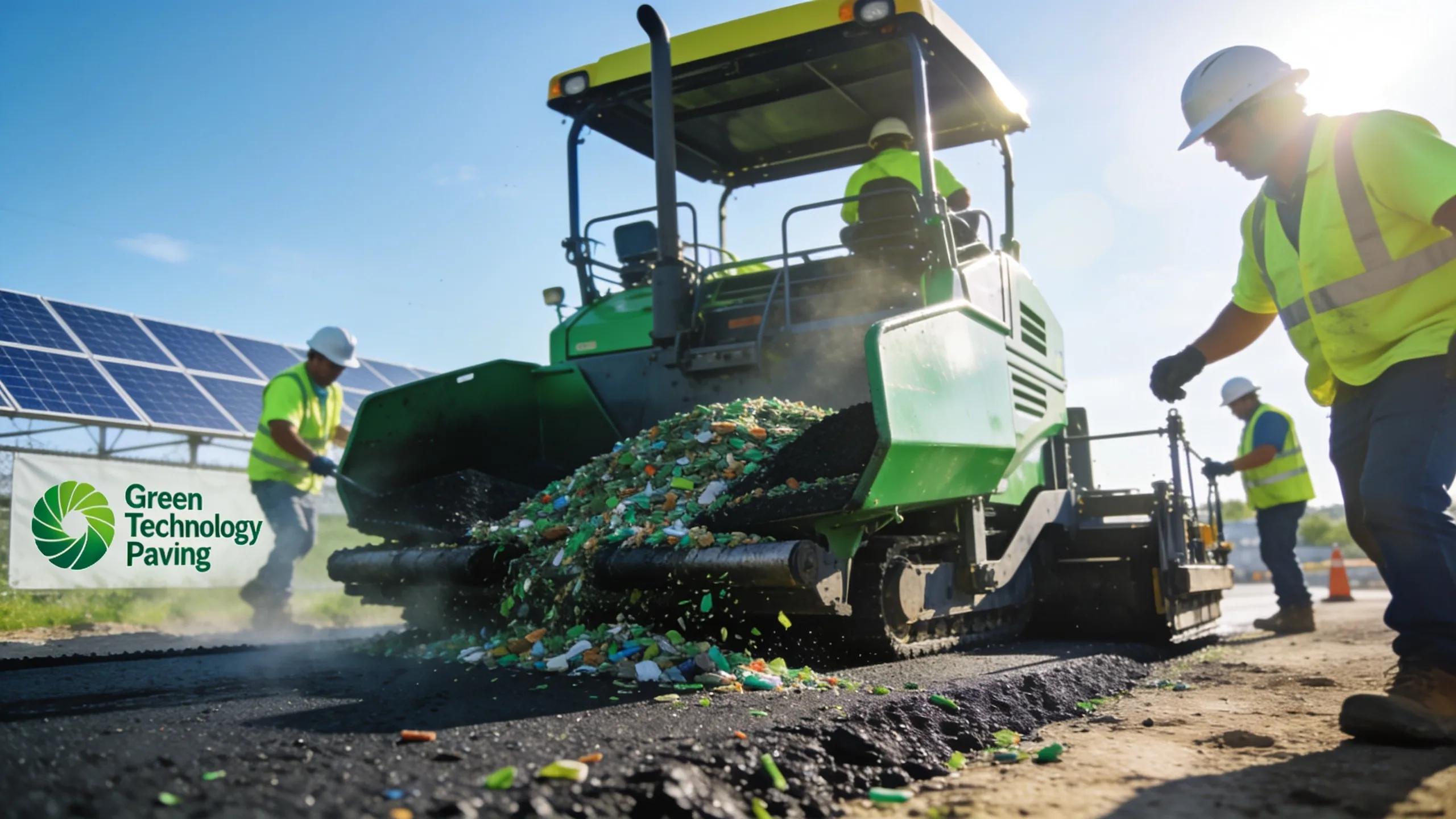
Recent advances in asphalt technology have improved both durability and environmental performance.
- Recycling in Asphalt Production: Recycled asphalt pavement (RAP) provides an eco-friendly option, utilizing materials from old pavements to create new ones, reducing waste and preserving resources.
- Enhanced Resistance Properties: Advances in asphalt formulation have led to more resilient mixes that can better withstand temperature extremes and heavy loads. This results in reduced maintenance needs and longevity.
How Do New Asphalt Technologies Enhance Durability and Eco-Friendliness?
Innovations target lower emissions and improved performance. For example, warm-mix asphalt reduces production and application emissions while maintaining durability, supporting more responsible paving practices.
What Environmental Benefits Support Choosing Asphalt Over Alternatives?
Asphalt’s recyclable nature and improved runoff management can lower the environmental impact of a driveway. When compared with concrete, asphalt often has a smaller carbon footprint and reduced overall environmental costs, which appeals to homeowners prioritising sustainability.
Frequently Asked Questions
1. What is the average lifespan of an asphalt driveway?
An asphalt driveway typically lasts 15 to 20 years with correct installation and regular maintenance. Climate, traffic levels and installation quality all affect lifespan. Timely sealing and prompt repairs extend service life and performance.
2. How often should I seal an asphalt driveway?
Sealcoating is recommended every 2 to 3 years. Sealant protects the surface from UV exposure, moisture and chemical spills, preserving appearance and reducing long-term repair costs.
3. Can I use recycled materials in asphalt paving?
Yes. Reclaimed Asphalt Pavement (RAP) is commonly used to conserve materials and lower the carbon footprint of new pavement. Many contractors offer RAP as an environmentally responsible option.
4. Are there any weather conditions that affect asphalt installation?
Weather matters. Asphalt should be installed when temperatures are above 50°F to ensure proper compaction and bonding. Avoid laying asphalt in rain or when the surface is wet, as moisture can compromise quality.
5. What are the signs that my asphalt driveway needs repair?
Look for cracks, potholes, sinking areas or persistent water pooling. These signs indicate damage and may signal the need for patching or, in severe cases, resurfacing to restore safety and function.
6. What should I do if my asphalt driveway develops cracks?
Address cracks quickly to stop further deterioration. Clean out debris and fill with an appropriate asphalt crack filler. For large or recurring cracks, seek professional assessment to determine whether patching or resurfacing is required.
7. How does asphalt paving impact home resale value?
A well-maintained asphalt driveway improves curb appeal and can make a positive impression on buyers. This enhancement often contributes to stronger marketability and a potential return on investment.
Conclusion
Asphalt paving combines durability, cost efficiency and visual appeal, making it a practical investment for many homeowners. Its resilience to weather and straightforward maintenance make asphalt a sensible long-term choice. Consult local professionals to evaluate options and determine how quality asphalt work can improve your property’s function and appearance.