
When it comes to What Maintenance Is Required for Newly Paved Parking Lots in Bethany, OK?, sealcoating and prompt crack repair protect against Oklahoma’s freeze-thaw cycles common along corridors like NW 39th Expressway and Rockwell Avenue. Arrow Asphalt, based in nearby Edmond, Oklahoma, recommends routine sealcoating and drainage checks to prevent water infiltration and extend your Bethany lot’s lifespan.
New asphalt needs a curing period, plus protection from Oklahoma’s freeze-thaw cycles and summer heat. Contact Arrow Asphalt for specific recommendations. We recommend avoiding sharp turns, keeping surfaces free of standing water, and scheduling sealcoating within the first year. Arrow Asphalt brings over 13 years of Oklahoma City paving experience to every maintenance plan we build.
Key Takeaways
Seal coat new asphalt within 6-12 months to protect against Oklahoma’s freeze-thaw cycles and UV damage.
Fill cracks immediately when they appear to prevent water infiltration that accelerates parking lot deterioration.
Avoid heavy vehicle parking on fresh asphalt for a recommended period; contact Arrow Asphalt for guidance.
Schedule regular sealcoating every 2-3 years to extend your Bethany parking lot’s lifespan significantly.
Seal coat new asphalt within 6-12 months to protect against Oklahoma’s freeze-thaw cycles and UV damage.
Fill cracks immediately when they appear to prevent water infiltration that accelerates parking lot deterioration.
Avoid heavy vehicle parking on fresh asphalt for a recommended period; contact Arrow Asphalt for guidance.
Schedule regular sealcoating every 2-3 years to extend your Bethany parking lot’s lifespan significantly.
What Maintenance Do New Parking Lots Need First?
New sidewalk needs a curing period, a first inspection, and a protective sealcoat before regular traffic settles in for good. We’ve spent over 13 years serving commercial and residential properties across Bethany and the greater Oklahoma City area. The early weeks after installation matter more than most property owners expect. Arrowasphaltllc.Com Skipping steps now creates cracking, raveling, and drainage problems that cost far more to fix later.
Newly paved parking lots require maintenance that follows a specific order. Here’s what we recommend once our crew finishes a commercial lot in Bethany:
Keep vehicles and heavy equipment off the surface for the curing window our crew specifies before opening the lot.
Walk the lot with our team for a first inspection, checking edges, drainage flow, and striping placement.
Watch how water moves across the surface after the next Bethany rainstorm, since standing water signals a grading issue that needs early attention.
Schedule a follow-up visit before the first freeze-thaw cycle hits, since Bethany’s commercial corridors take a beating from heat swings and winter freezing alike.
Confirm the asphalt grade used in the mix, since a higher-grade material with less recycled content holds up better against Oklahoma’s climate swings.
Keep vehicles and heavy equipment off the surface for the curing window our crew specifies before opening the lot.
Walk the lot with our team for a first inspection, checking edges, drainage flow, and striping placement.
Watch how water moves across the surface after the next Bethany rainstorm, since standing water signals a grading issue that needs early attention.
Schedule a follow-up visit before the first freeze-thaw cycle hits, since Bethany’s commercial corridors take a beating from heat swings and winter freezing alike.
Confirm the asphalt grade used in the mix, since a higher-grade material with less recycled content holds up better against Oklahoma’s climate swings.
How soon should a new lot get sealcoated?
We typically recommend waiting several months after installation before applying sealcoat, giving the asphalt time to cure fully. Sealcoating too early traps moisture and weakens the surface instead of protecting it.
Why does early maintenance matter so much?
A parking lot cared for correctly from day one holds up for many years. Property owners who skip early inspections often face premature cracking. Costly resurfacing well before the sidewalk’s expected lifespan runs out.
How Should You Handle the First 30 Days?
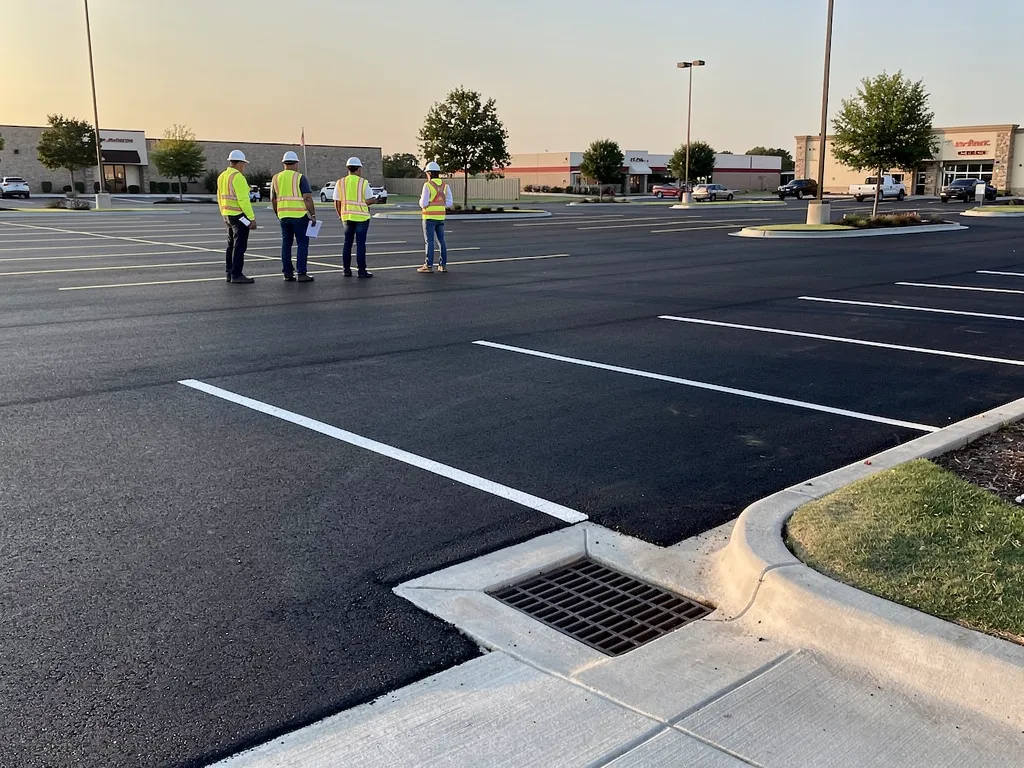
The first month after paving determines whether a Bethany parking lot lasts for decades or starts cracking within a year. Oklahoma’s hot summers, heavy rains, and sharp seasonal temperature swings put new asphalt under stress long before it fully cures, and skipping basic precautions during this window shortens the life of the investment. Newly paved parking lots need deliberate handling, not guesswork, during this critical curing period.
Our management team stays involved on every job site, overseeing the work directly to confirm the finished surface meets our workmanship and material standards while the asphalt is still curing. We also run well-maintained paving equipment. Machines prone to breakdowns slow down the paving process. Delay the point at which a lot can safely carry traffic.
Follow these steps during the first 30 days:
Keep all vehicles off the surface for the timeframe our crew specifies before opening the lot.
Watch for standing water after Bethany’s heavy downpours; pooling signals drainage problems that need attention early.
Avoid dragging sharp equipment, dumpsters, or heavy loads across the surface while it hardens.
Inspect the lot after any freeze event, since moisture that seeps in can freeze, expand, and break the asphalt apart from within.
Keep all vehicles off the surface for the timeframe our crew specifies before opening the lot.
Watch for standing water after Bethany’s heavy downpours; pooling signals drainage problems that need attention early.
Avoid dragging sharp equipment, dumpsters, or heavy loads across the surface while it hardens.
Inspect the lot after any freeze event, since moisture that seeps in can freeze, expand, and break the asphalt apart from within.
How Soon Can Vehicles Use a New Parking Lot?
Timing depends on temperature, humidity, and how the mix was installed, so we give each Bethany client a specific window before opening the lot to traffic. Rushing vehicles onto a curing surface causes rutting and premature wear.
What Weather Risks Threaten a New Lot the Most?
Oklahoma’s freeze-thaw swings pose the greatest early risk, since trapped moisture expands and breaks down sidewalk from the inside. Heavy summer rainfall compounds that threat if drainage hasn’t been checked.
What Ongoing Upkeep Keeps Sidewalk Strong?
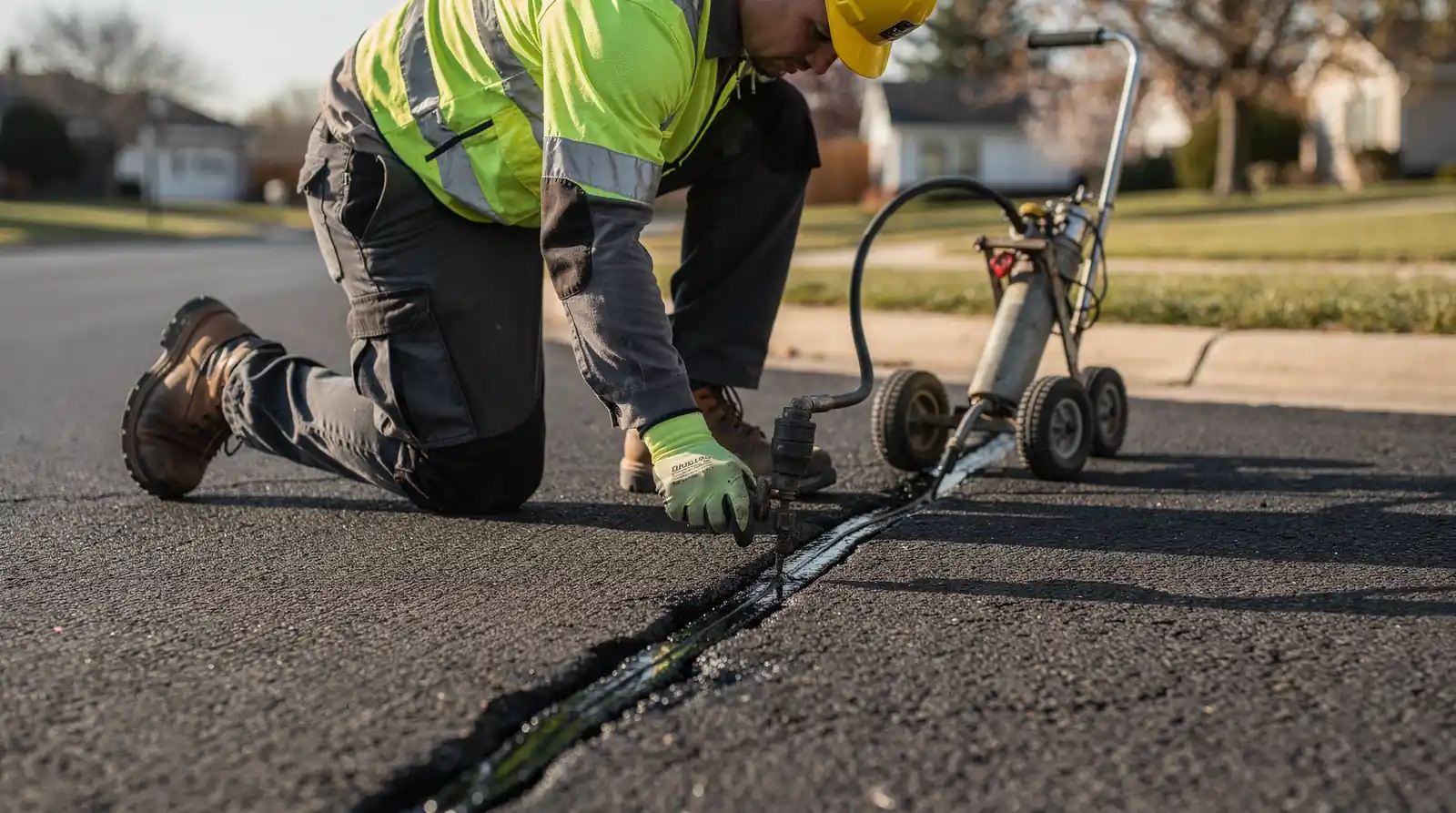
Ongoing upkeep for a Bethany parking lot rests on four pillars: sealcoating, crack repair, resurfacing, and chip seal treatments. Skipping these steps lets water seep beneath the surface, turning hairline cracks into potholes that cost far more to fix than routine care would have. We provide resurfacing, repair, chip seal, and concrete work to support long-term sidewalk performance for commercial properties. Arrowasphaltllc.Com
We recommend property owners follow a consistent maintenance sequence rather than waiting for visible damage:
Inspect the lot seasonally for surface cracking, pooling water, or faded striping.
Schedule routine sealcoating to shield the asphalt from Oklahoma’s sun, rain, and freeze-thaw swings.
Repair small cracks promptly before moisture reaches the base layer.
Apply resurfacing or chip seal treatments once surface wear becomes noticeable but the base remains sound.
Inspect the lot seasonally for surface cracking, pooling water, or faded striping.
Schedule routine sealcoating to shield the asphalt from Oklahoma’s sun, rain, and freeze-thaw swings.
Repair small cracks promptly before moisture reaches the base layer.
Apply resurfacing or chip seal treatments once surface wear becomes noticeable but the base remains sound.
How often should Bethany property owners sealcoat their lot?
Sealcoating works best as a recurring service, not a one-time fix. Regular sealcoating protects the investment property owners made in a new lot. Extends its usable life well beyond what an unsealed surface would achieve.
Does asphalt need full replacement every ten years?
No. Understanding how asphalt actually deteriorates lets owners avoid unnecessary full-lot replacement on a decade-by-decade basis. Most failures start small, and consistent repair and resurfacing work stops that deterioration before it forces a costlier rebuild.
We stand behind every project we complete, from municipal sidewalks to commercial parking lots throughout the Bethany area. That commitment means our maintenance recommendations aren’t generic advice; they reflect what actually keeps Oklahoma sidewalk performing year after year.
When Should You Schedule Repairs Or Resurfacing?
Repairs belong on the calendar the moment small cracks, standing water after a storm, or rough patches near the entrance show up on a Bethany property. Waiting past that point turns a simple fix into a full-depth problem, especially once Oklahoma’s freeze-thaw swings get into the base layer. We treat those early signs as our cue to act, not a reason to wait until next season.
Newly paved parking lots in Bethany hold up best when owners pair prompt attention to damage with the right repair method for the situation. Our crews handle everything from parking lot installation for properties that need a durable, code-ready surface from the ground up, to targeted repairs on lots already in service. When a surface has aged past patching but doesn’t need a full teardown, milling and overlay restores the driving surface by removing the worn top layer and rebuilding it, without the cost of replacing the entire lot.
How Do I Know If My Lot Needs Resurfacing Instead Of Patching?
Patching solves isolated damage, but resurfacing addresses widespread wear across the whole surface. If cracking and pooling show up in multiple areas rather than one spot, milling and overlay typically delivers a longer-lasting result than repeated patch jobs.
How Quickly Should Repairs Happen After Damage Appears?
We recommend scheduling an inspection as soon as cracking, pooling, or rough patches appear near high-traffic areas like entrances. Bringing in a team with decades of experience working through Oklahoma’s extreme temperature swings helps catch problems before they spread underneath the surface. Our management stays involved on every Bethany job, from early diagnosis through final repair, to protect the sidewalk investment property owners have already made.
What Mistakes Should Bethany Property Owners Avoid?
Four preventable mistakes cause most of the early damage we see on newly paved parking lots in Bethany, Oklahoma. Skipping a contractor’s insurance check, accepting outdated equipment, ignoring hairline cracks, and assuming no one is watching the job closely all shorten sidewalk life and drain repair budgets faster than owners expect.
Contractor liability coverage deserves attention before any contract gets signed. A Bethany property owner who hires a paver carrying thin or no liability protection takes on the financial risk if an accident or defect occurs on the lot. We carry coverage well above the bare minimum, because a policy sitting at the low end offers little real protection once a claim gets filed.
How Much Liability Insurance Should a Bethany Contractor Carry?
Reputable paving contractors should carry at least pricing varies in coverage per policy. Pricing varies million provides far stronger protection for a commercial property. Anything less leaves gaps that fall back on the property owner.
Equipment condition matters just as much. Contractors running machines that break down frequently delay project completion. Put finish quality at risk, leaving a Bethany parking lot half-paved during peak business hours.
What Happens If Small Cracks Go Unrepaired?
Small cracks are not cosmetic. They let water work into the base layer, and that moisture intrusion turns a minor patch job into structural failure over time.
Skipping insurance verification before hiring
Accepting a contractor’s unreliable, breakdown-prone equipment
Letting hairline cracks sit through Oklahoma’s freeze-thaw cycles
Assuming a job runs unsupervised from start to finish
Skipping insurance verification before hiring
Accepting a contractor’s unreliable, breakdown-prone equipment
Letting hairline cracks sit through Oklahoma’s freeze-thaw cycles
Assuming a job runs unsupervised from start to finish
We keep ownership involved on every project, from small repairs to full commercial lots, so nothing slips through unnoticed.
Maintaining your newly paved parking lot in Bethany, Oklahoma requires consistent attention and proactive care. By implementing regular cleaning, addressing minor damage promptly, and scheduling professional seal coating, you protect your investment and extend the lifespan of your asphalt surface. These maintenance practices preserve the structural integrity. Appearance of your lot, ensuring it remains a reliable asset for your property for years to come.
FAQ
How long does new asphalt need to cure before vehicles use it?
New asphalt needs a curing period before vehicle traffic; contact Arrow Asphalt for specific recommendations. ### When should a new parking lot get sealcoated?
Schedule sealcoating within the first year to protect against Oklahoma’s freeze-thaw cycles and UV damage. Waiting several months lets the asphalt cure fully, since sealcoating too early traps moisture and weakens the surface.
What ongoing maintenance keeps a Bethany parking lot lasting longer?
Fill cracks immediately to prevent water infiltration, check drainage regularly, and schedule sealcoating every 2-3 years. Arrow Asphalt also recommends a follow-up inspection before the first freeze-thaw cycle hits.
Conclusion
Protecting a newly paved parking lot in Bethany comes down to timing and consistency. Give the asphalt its full curing window before opening it to traffic, watch closely through that first 30 days for standing water or stress signs, and get sealcoating on the calendar within the first year to guard against Oklahoma’s freeze-thaw swings and summer heat. From there, staying ahead of small cracks, keeping drainage clear, and scheduling routine sealcoating every 2-3 years is what separates a lot that lasts for decades from one that needs costly resurfacing well before its time. Arrow Asphalt has guided commercial and residential properties across Bethany and the greater Oklahoma City area through this process for over 13 years, and we’re ready to build a maintenance plan around your lot’s specific needs.