

How Long It Really Takes to Install Your Asphalt Driveway Efficiently: Understanding Asphalt Driveway Installation Time and Process Duration
An asphalt driveway represents a major home investment that improves property value and curb appeal. A clear installation timeline is essential for planning and setting realistic expectations. This guide reviews the factors that affect installation duration — site preparation, evaluation and curing — and offers practical tips to promote an efficient process. After reading, you will understand typical timelines and how specific conditions influence overall duration.
What Is the Typical Asphalt Driveway Installation Timeline?
Installation time varies with site conditions and project scope. Typically, a standard installation requires from several days up to one week. Knowing this range helps homeowners schedule work and coordinate with contractors. For a detailed list of services and to consult specialists, consider reviewing asphalt driveway services.
Which Steps Are Included in Asphalt Paving Process Duration?
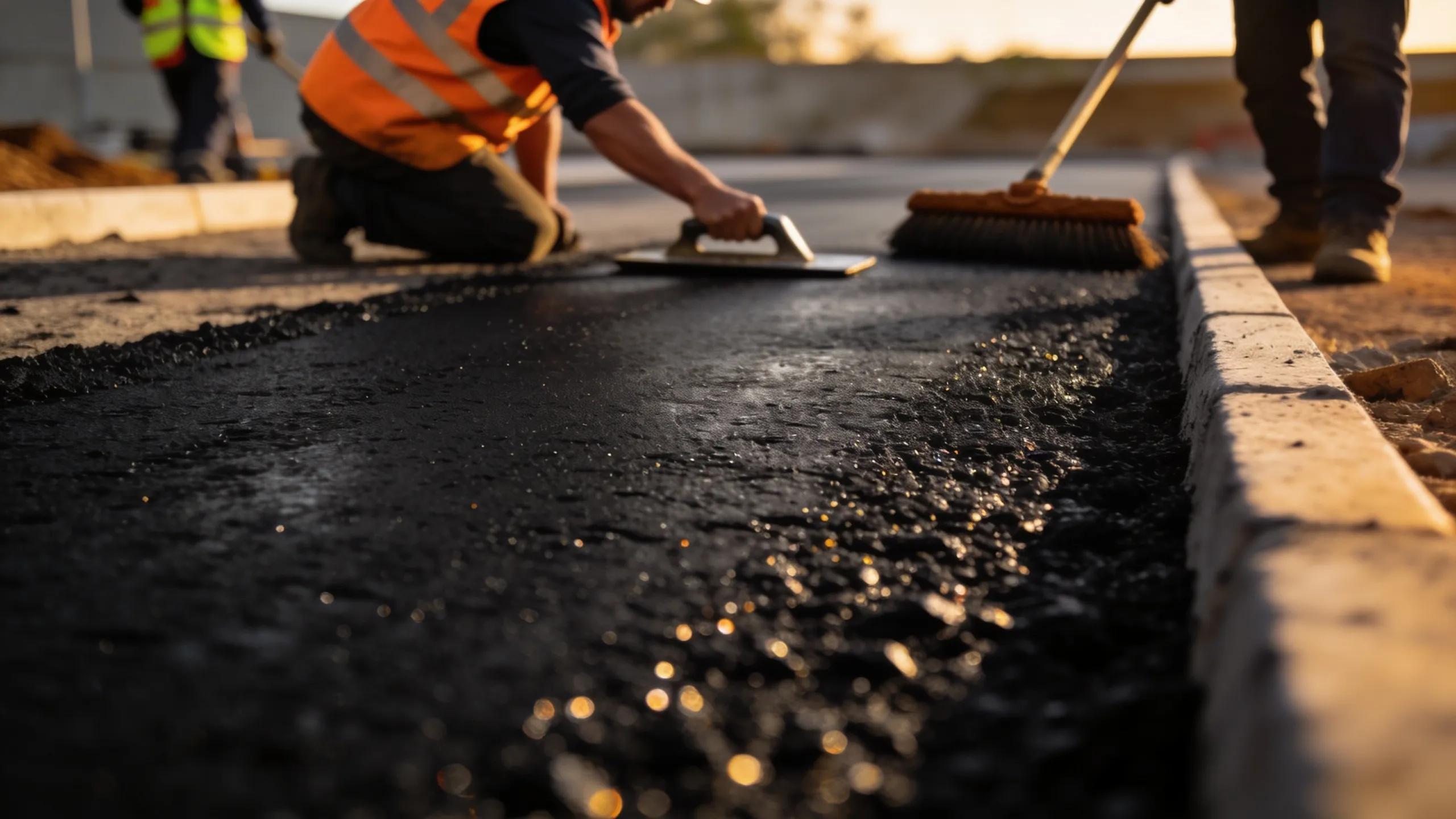
The asphalt paving process comprises several essential stages that determine the overall timeline:
- Site Preparation: This initial stage involves site clearing, grading, and soil compaction, which can take 1-3 days depending on site conditions.
- Base Installation: Laying down the base layer is critical for the durability of the driveway and usually requires 1-2 days.
- Asphalt Application: The actual paving of asphalt typically takes about a day, depending on the driveway’s size and complexity.
- Finishing Touches: This includes adding edges and other aesthetic touches, requiring an additional 1-2 days.
Recognizing these stages helps homeowners anticipate the time each phase requires and plan accordingly.
How Do Preparation and Site Evaluation Impact Installation Time?
Site preparation and evaluation directly affect installation duration. Extensive grading or poor soil conditions will prolong the preparation phase. Evaluations for drainage, soil stability and existing vegetation can add several days to the schedule.
Thorough planning and assessment before work begins reduce unexpected delays. For example, unanticipated soil instability requiring extra grading can add two to five days to the schedule.
What Factors Affect the Duration of Your Driveway Paving Time Frame?
Several factors influence the timeframe for asphalt driveway installation. Understanding them helps homeowners set realistic expectations and coordinate with contractors. Firms such as Arrow Asphalt LLC can offer site-specific guidance on typical project durations.
How Does Weather Condition Influence Asphalt Installation Efficiency?
Weather is a primary determinant of schedule. Rain, excessive heat or cold can delay paving operations. Extreme temperatures also affect asphalt consistency and curing times.
- Rain: Wet conditions can make it unsafe to pave, causing delays of up to a week.
- Extreme Heat: High temperatures can lead to asphalt softening, while night work becomes essential to cool down the material.
- Cold Weather: Installing asphalt during cold spells can cause it to harden too quickly, impacting the construction process negatively.
Contractors monitor forecasts and plan accordingly to avoid these complications, which can materially extend project timelines.
What Role Do Asphalt Material Types and Paving Methods Play?
Asphalt type and paving method also affect installation time. For example:
- Hot Mix Asphalt: Requires time for heating and can take longer to set in colder temperatures.
- Cold Mix Asphalt: Can be laid in cooler weather, thus offering more flexibility in the installation schedule but with potential durability compromises.
- Paving Method: Traditional paving methods may take longer than modern equipment and techniques, impacting the overall duration.
Selecting materials and methods matched to site conditions helps streamline the installation.
Optimizing Asphalt Paving and Compaction for High-Quality Driveway Construction
This study examines the challenges of integrating paving and compaction—processes often treated separately—which can weaken the compacted asphalt layer. Its main objective was to develop a decision‑support tool to guide equipment allocation and compaction methods. The tool seeks to enable efficient, uniform compaction within tight timeframes while accounting for site‑specific operating conditions.
Planning the asphalt construction process: Towards more consistent paving and compaction operations, A Doree, 2017
How Long Does Asphalt Curing Take and How Does It Affect Driveway Use?
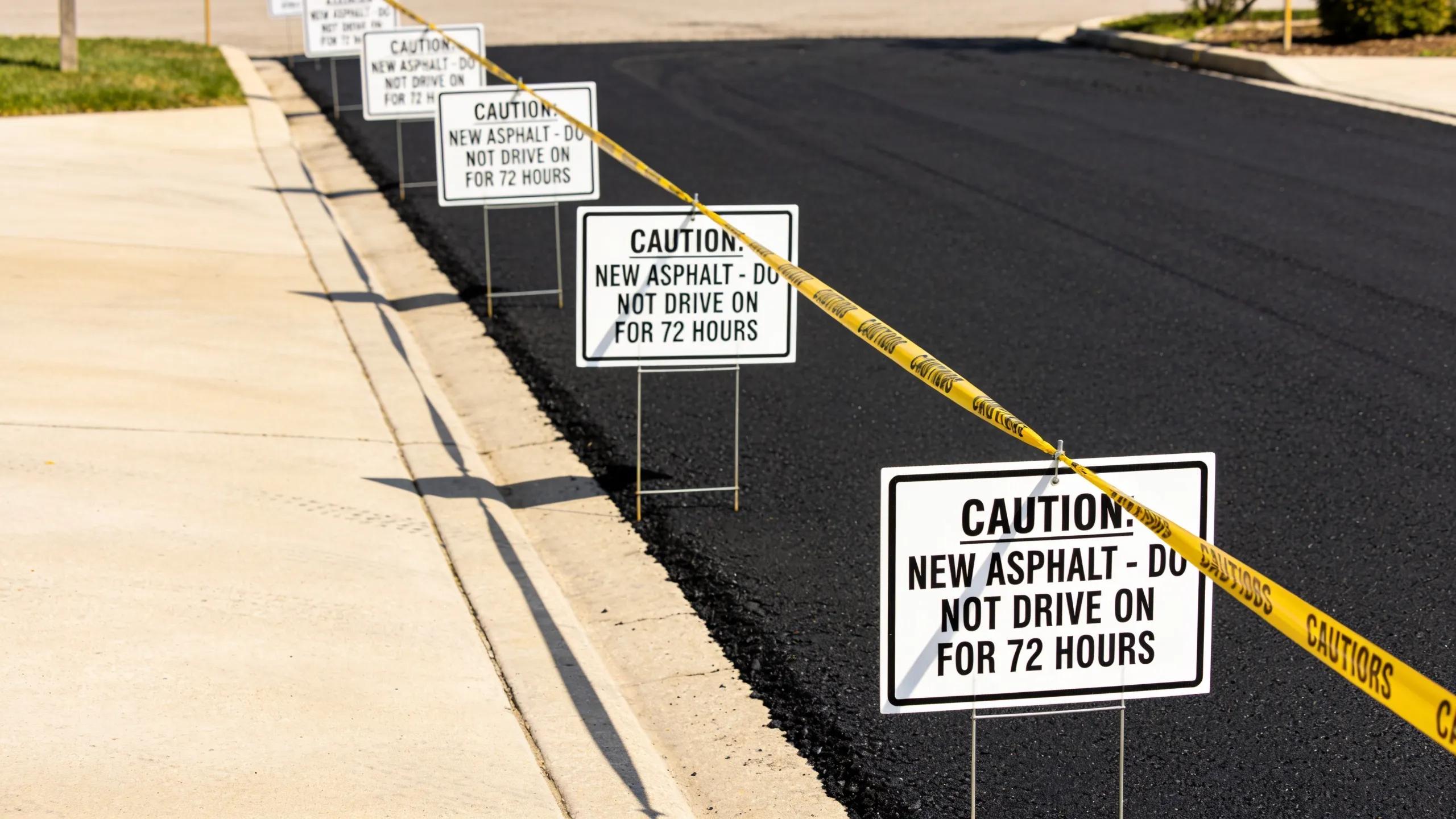
Curing determines when the new driveway can be used. Typically, this period lasts 24 to 72 hours.
Why Is Curing Time Critical for Long-Term Asphalt Durability?
Curing ensures the asphalt hardens and gains strength to withstand vehicle loads and resist cracking. Premature use can cause indentations and structural damage.
What Maintenance Timelines Should You Follow After Installation?
Regular maintenance after installation preserves the driveway’s lifespan. Key tasks include:
- Sealcoating: Should be done 6-12 months post-installation and every 2-3 years thereafter.
- Crack Filling: Any emerging cracks should be filled promptly to avoid more significant damage.
- Regular Cleaning: Keeping the surface clean helps prevent deterioration from oils and debris.
Timely maintenance will significantly extend the driveway’s service life.
What Are Tips for Ensuring Efficient Asphalt Driveway Installation?
Efficient installation depends on careful planning and execution. The following tips help homeowners manage the process effectively.
How Can You Prepare Your Site to Minimize Installation Delays?
Effective site preparation requires these practical steps:
- Clear the Area: Remove all debris, plants, and any obstacles from the planned driveway area.
- Ensure Proper Drainage: This prevents future issues and prolongs productivity during the installation.
- Engage Qualified Contractors: Ensuring the asphalt contractor has a good reputation can help avoid unnecessary delays.
Completing these steps reduces the risk of installation delays.
Why Choosing the Right Contractor Impacts Paving Time and Quality?
The selection of a qualified contractor impacts both the scheduling and the quality of installation. Key factors include:
- Experience: Knowledgeable contractors forecast possible delays effectively and manage resources wisely.
- Quality of Equipment: Modern equipment can expedite the paving process and provide a better finished product.
- Reputation: Contractors with positive reviews generally deliver projects more efficiently and with higher quality.
Prioritizing these qualities helps ensure a smoother, higher‑quality installation. For accurate estimates, consult contractors experienced with local conditions and similar projects.
How Can You Request Accurate Estimates for Asphalt Driveway Installation?
An accurate estimate is essential to manage budget and schedule expectations.
What Information Should Be Provided to Get Reliable Time and Cost Estimates?
Provide contractors with the following details to obtain reliable time and cost estimates:
- Site Dimensions: Accurate measurements of the proposed asphalt area.
- Soil Condition: Any known issues that may complicate installation.
- Desired Material Type: Specific preferences can affect cost and time estimates.
Detailed information enables contractors to produce realistic estimates and plan your project efficiently.
How Do Customer Reviews and Testimonials Support Contractor Selection?
Customer reviews are a valuable tool when selecting a contractor. They reveal:
- Overall Customer Satisfaction: Higher ratings often indicate a better track record and reliability.
- Quality of Work: Reviews focusing on work quality can reveal common issues or praises.
- Timeliness: Feedback on whether the contractor adhered to timelines can help anticipate your experience.
Considering these factors improves the chance of a timely, high‑quality installation.
Frequently Asked Questions
1. What Should You Expect During the Asphalt Driveway Installation Process?
Homeowners should expect a structured process: site clearing and grading, base installation, asphalt application and finishing. Maintain communication with your contractor to keep the project on schedule and aligned with expectations.
2. How Do Different Seasons Affect Asphalt Driveway Installation?
Seasonal conditions affect paving. Spring and fall offer ideal temperatures; summer heat can soften asphalt and cause delays; winter cold accelerates hardening and complicates installation. Plan timing with these seasonal effects in mind.
3. How Can You Ensure Your Asphalt Driveway Lasts Longer?
Regular maintenance extends lifespan: sealcoat 6–12 months after installation, then every 2–3 years; fill cracks promptly; clean to remove oil and debris. These measures preserve durability and appearance.
4. What Are Common Mistakes to Avoid During Asphalt Driveway Installation?
Avoid under‑preparing the site, hiring inexperienced contractors and neglecting drainage. Thorough planning and a qualified contractor mitigate these risks and support a durable driveway.
5. Can You Use Your Driveway Immediately After Installation?
Allow the asphalt to cure—typically 24 to 72 hours—before use. Early use can cause tire marks and indentations. Observing curing times protects the surface and avoids costly repairs.
6. How Do You Choose the Right Asphalt Mix for Your Driveway?
Choose a mix based on traffic and climate: hot mix for heavy use, cold mix for cooler weather but with lower longevity. Discuss options with your contractor to select the best solution for your site.
7. What Are Typical Costs Associated with Asphalt Driveway Installation?
Costs vary by location, size and project complexity. Typical pricing ranges from $3 to $6 per square foot. Site preparation, drainage and contractor expertise can affect the final price. Obtain multiple local estimates to compare rates and scope.
Conclusion
Understanding installation timelines lets homeowners plan and set realistic expectations. By accounting for factors such as site preparation and weather, you can support a smoother project. Contact experienced asphalt contractors for tailored guidance and accurate estimates, and review reputable local services to ensure a successful installation.