
When it comes to How Can I Tell if My Asphalt Driveway Needs Repair or Replacement?, widespread cracks, standing puddles, potholes, and crumbling edges signal serious asphalt driveway damage. Arrow Asphalt, serving Oklahoma City for over 13 years, treats small isolated cracks as repair candidates. Alligator-pattern cracking, deep potholes, or a base that’s failed across large sections point toward full replacement rather than another patch.
Key Takeaways
- Extreme weather elements and winter seasons cause significant damage to asphalt driveways over time.
- Early identification of wear and tear signs prevents costly repairs and extends driveway lifespan.
- Asphalt driveways experience visible deterioration by springtime after harsh winter weather exposure.
- Arrow Asphalt in Edmond, Oklahoma provides professional repair and replacement services for damaged driveways.
What Should You Know Before Inspecting Your Driveway?
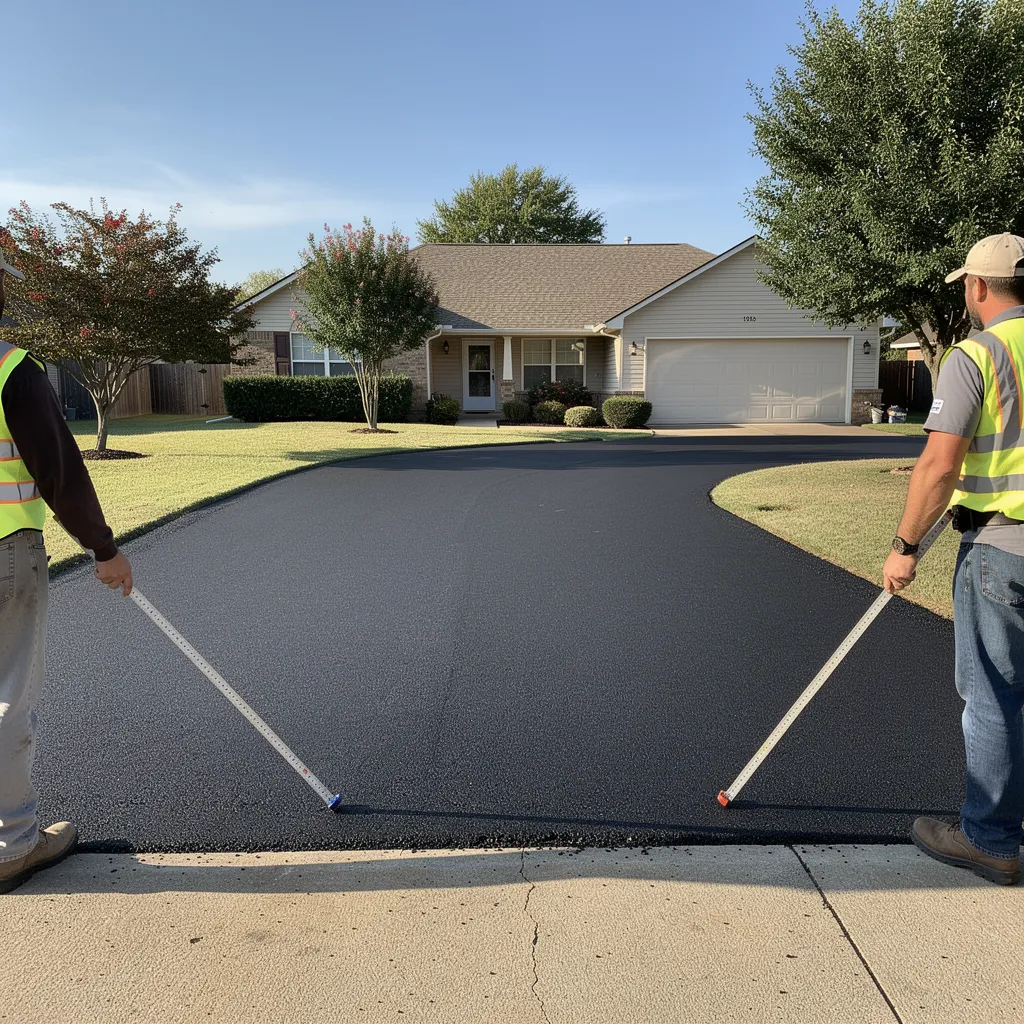
Preparation matters before walking the sidewalk with a flashlight or measuring tape. Decades of paving experience across Oklahoma’s extreme seasonal swings shape how we diagnose driveway problems. That same knowledge helps homeowners know what to look for before calling in a contractor. Understanding how to tell if an asphalt driveway needs repair or replacement starts with recognizing that sidewalk absorbs constant abuse. Summer heat, winter ice, spring rain — and none of that stress shows up the same way twice.
Before starting an inspection, gather a few basics:
- Choose a dry, sunlit day so cracks and stains are visible.
- Bring a tape measure to gauge crack width and depth.
- Note the driveway’s age and any past repair work.
- Walk the full surface rather than checking only the entrance.
Each property wears differently, which is why we assess every driveway individually rather than applying a blanket fix. A twenty-year-old surface with heavy tree cover ages differently than a newer driveway exposed to full sun and heavy vehicle traffic. That variation is exactly why a methodical walk-through beats a quick glance from the car.
How often should a driveway be inspected?
Seasonal changes stress asphalt in different ways, so we recommend a walk-through each spring and fall. Checking after winter thaw catches frost damage early, while a fall inspection prepares the surface for the next freeze cycle. Skipping these checks lets small problems expand unnoticed.
Does the inspection method change with driveway age?
Older driveways need closer attention to edges and joints, where wear concentrates first. Newer surfaces typically need only a general visual sweep for surface-level flaws.
What Are the Early Warning Signs of Cracking?
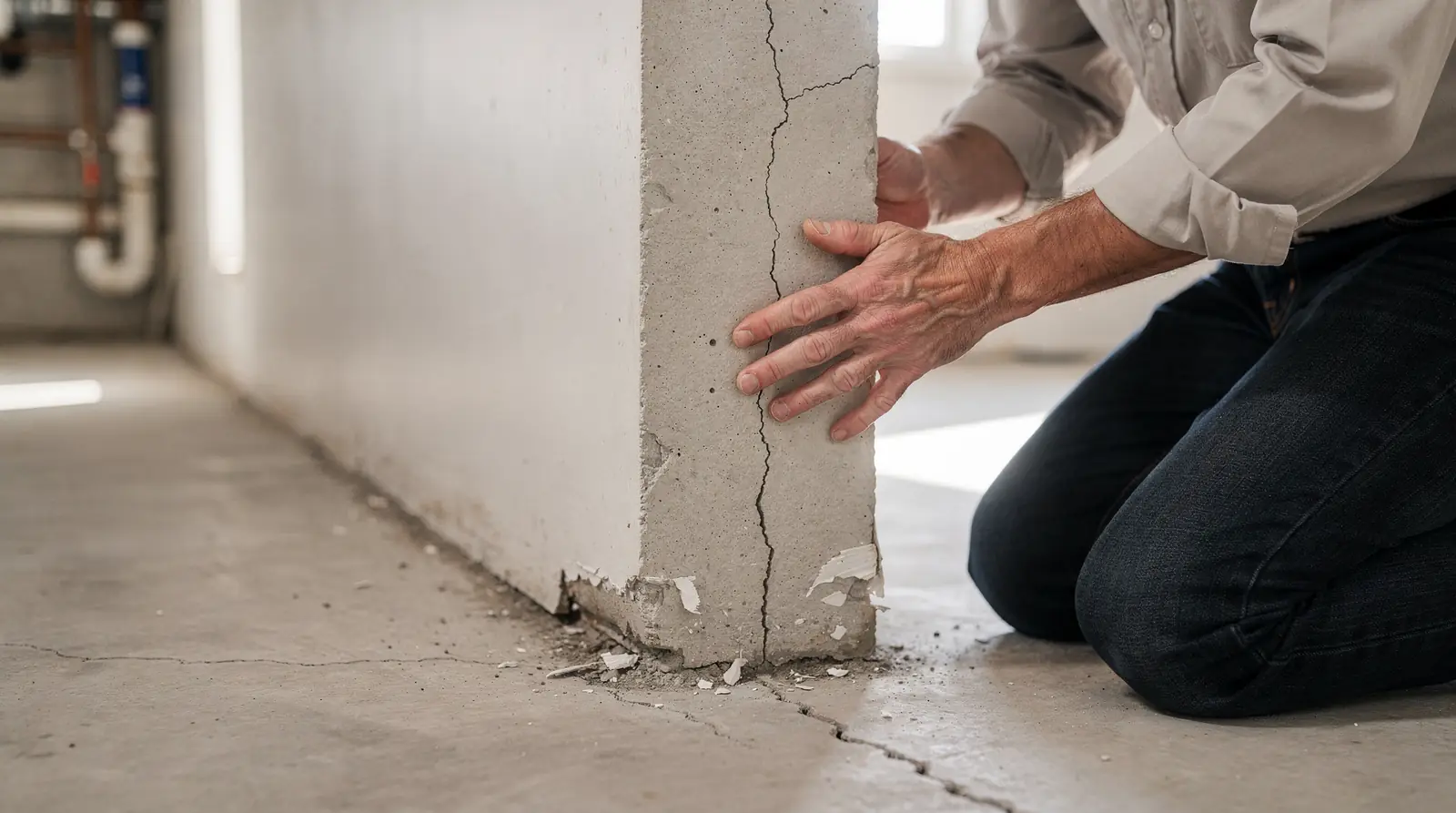
Cracks rank as the most common early problem we see on asphalt driveways. They mark the starting point for telling if an asphalt driveway needs repair or replacement. Left alone, small hairline fractures widen and deepen, eventually turning into structural damage that costs far more to fix. Our crews treat cracking as the first clue, not a cosmetic nuisance to ignore until spring.
Oklahoma’s swings between summer heat and winter cold drive much of this damage. Asphalt expands when temperatures climb and contracts when they drop, and that constant push-and-pull stresses the surface until cracks form. A driveway that looked flawless last fall can show new fracture lines by the time the ice thaws.
How do I know if a crack means repair or replacement?
Hairline and surface-level cracks usually respond well to sealing or patching, especially when caught early. Wider, branching cracks that keep returning after repair often signal deeper base failure, which points toward resurfacing or full replacement instead.
We evaluate cracking along a simple scale:
- Hairline cracks – thin, isolated lines; typically a maintenance fix.
- Alligator cracking – interconnected cracks resembling reptile skin; a sign of base stress.
- Widening or spreading cracks – growing width or length over a season; often needs professional repair.
- Cracks paired with crumbling edges – indicates advanced deterioration requiring resurfacing or replacement.
Should every crack get professional attention?
Not every crack demands an immediate service call, but ignoring the pattern is a mistake. We recommend a professional look whenever cracks reappear after a homeowner patch or spread across multiple sections of the driveway.
Arrow Asphalt offers resurfacing, repair, chip seal treatments, and full installation, so whichever stage a driveway has reached, we match the fix to the actual damage rather than a one-size-fits-all patch job.
How Do You Spot Serious Structural Damage?
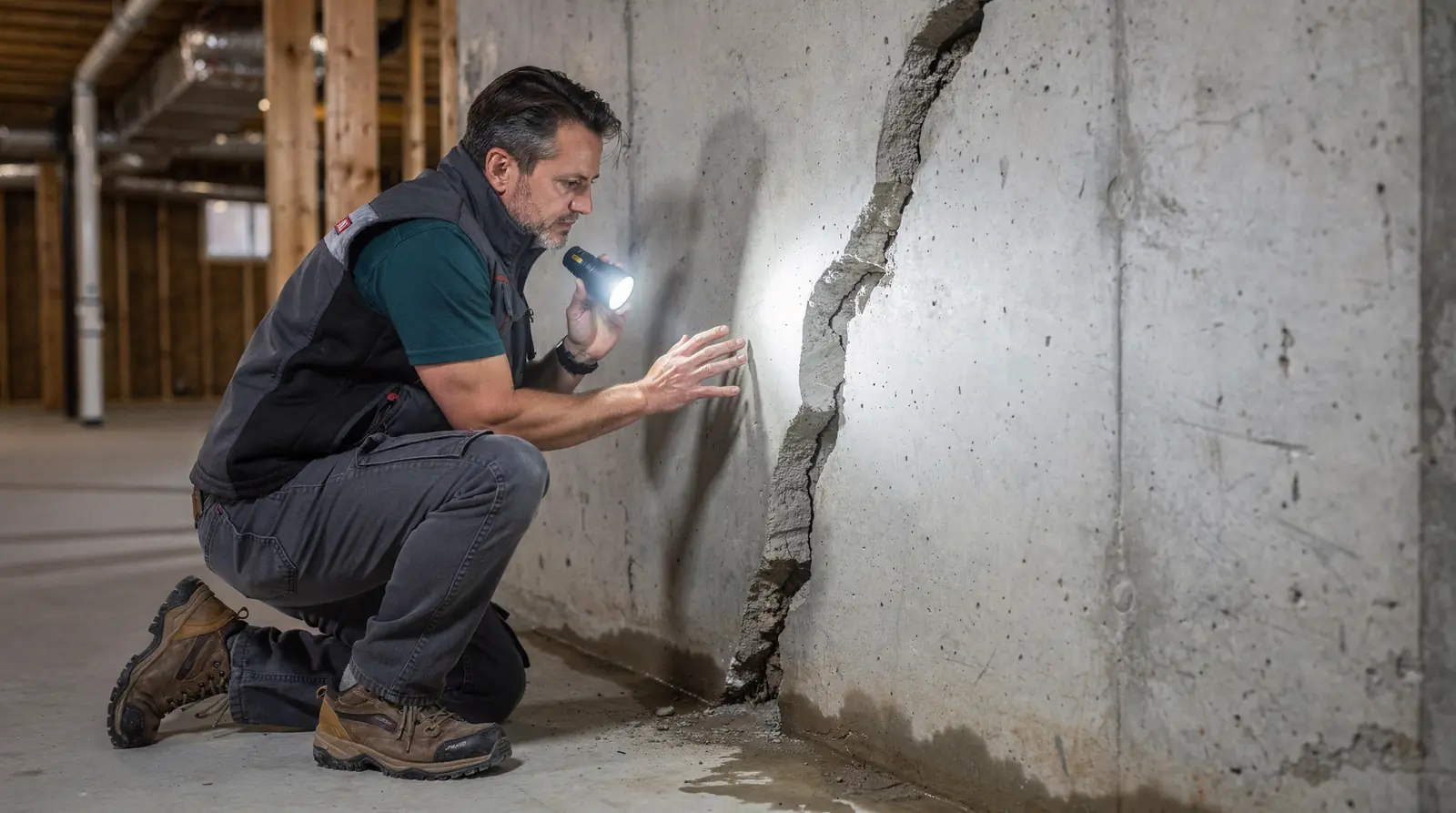
Structural damage shows up as sagging sidewalk, deep depressions, or cracks that run below the surface rather than across it. Weight is the culprit. A driveway must hold up under vehicles weighing roughly 2,000 pounds, sometimes several times a day, and that repeated pounding eventually breaks down the base layer beneath the asphalt. Once the foundation fails, no amount of surface patching fixes the problem.
We walk every driveway before making a call, and we look for the same warning signs each time.
- Press on soft or bouncy spots — give underfoot usually means the base has washed out.
- Check low areas after rain; standing water signals poor drainage and a compromised subgrade.
- Trace any crack wider than a quarter inch back to its source to see if it connects to a larger network.
- Note alligator-pattern cracking across large sections, which points to failure under the surface, not just weathering on top.
Why does extreme weather make structural problems worse?
Homes in climates with harsh seasonal swings often see driveways wear out faster than owners expect. Freeze-thaw cycles and intense summer heat stress the base layer repeatedly, widening small weaknesses into full structural failures. We’ve spent years [paving driveways](https://arrowasphaltllc.com/?p=1306) through Oklahoma’s extreme temperature swings. We know how quickly a stable-looking surface can turn into a costly problem.
Can low-quality asphalt cause structural failure sooner?
Yes. Asphalt gets recycled repeatedly, and different grades contain different percentages of recycled material. Low-quality asphalt shortens a driveway’s lifespan and accelerates structural breakdown, which is exactly why material quality matters as much as installation technique when deciding whether a driveway needs repair or a full replacement.
Should You Repair or Replace Your Driveway?
Two outcomes exist for a damaged driveway: a targeted repair or a full replacement, and the right call depends on how deep the damage runs. Telling whether an asphalt driveway needs repair or replacement starts with an honest look at the surface, the base beneath it, and how the sidewalk has held up over time. We assess each property individually rather than applying a one-size-fits-all fix. A driveway needing a refresh calls for a very different plan than one needing a new installation.
Our team walks through a consistent process before recommending either path:
- Inspect the surface for isolated cracking, pooling water, or crumbling edges.
- Check whether damage is confined to a small area or spread across the whole slab.
- Evaluate the base for shifting, sinking, or drainage problems.
- Match the findings to the most cost-effective, durable solution — patch, resurface, or full replacement.
How does regular maintenance affect this decision?
Consistent upkeep changes the equation significantly. Driveways that receive routine maintenance last longer and keep their appearance longer, which often keeps a repair on the table instead of forcing a replacement. Skipping maintenance accelerates deterioration and shrinks the window where a simple repair still works.
What happens once replacement is the right call?
When the base or surface has failed beyond repair, we install new sidewalk rather than patch a losing battle. We recommend requesting higher-grade asphalt with less recycled material, since that choice holds up longer under Oklahoma’s temperature swings. Whether the job is a small residential driveway or a large commercial lot, we stand behind the finished work and back every project with the same commitment to quality.
What Mistakes Should You Avoid When Hiring Help?
Skipping questions about equipment and insurance ranks among the costliest mistakes homeowners make when hiring driveway help. A rushed hire, chosen on price alone, often leads to delays, uneven results, or gaps in coverage if something goes wrong on your property.
Does the contractor’s equipment condition matter?
Yes — equipment condition directly affects your timeline and final results. We recommend asking what type of asphalt paving equipment the contractor uses and whether it shows signs of heavy wear. Machines that break down frequently cause delays and can leave a driveway with an inconsistent finish.
Is insurance really necessary for a driveway repair?
Absolutely. Confirm the contractor carries adequate liability coverage before signing anything. We consider pricing varies per policy the minimum standard. Pricing varies-2 million offers stronger protection for your home and family.
Before hiring anyone, walk through this checklist:
- Ask directly about equipment age and maintenance history.
- Request proof of liability insurance and confirm the coverage amount.
- Ask who personally oversees the job site day to day.
That last point matters more than homeowners realize. Our management stays involved in every project we take on, from a small patch job to a full parking lot rebuild. Oversight at every stage protects the quality of the finished driveway.
FAQ
What are the main signs my asphalt driveway needs repair or replacement?
Widespread cracks, standing puddles, potholes, and crumbling edges signal serious damage. Alligator-pattern cracking, deep potholes, or a failed base across large sections point toward replacement rather than another patch.
How often should I inspect my driveway for damage?
Walk the surface each spring and fall since seasonal changes stress asphalt differently. Spring checks catch frost damage from winter thaw, while fall inspections prepare the surface for the next freeze cycle.
Do small cracks always mean I need a full driveway replacement?
No, hairline and surface-level cracks usually respond well to sealing or patching. Replacement becomes necessary when cracking spreads into alligator patterns or the base fails across large sections.